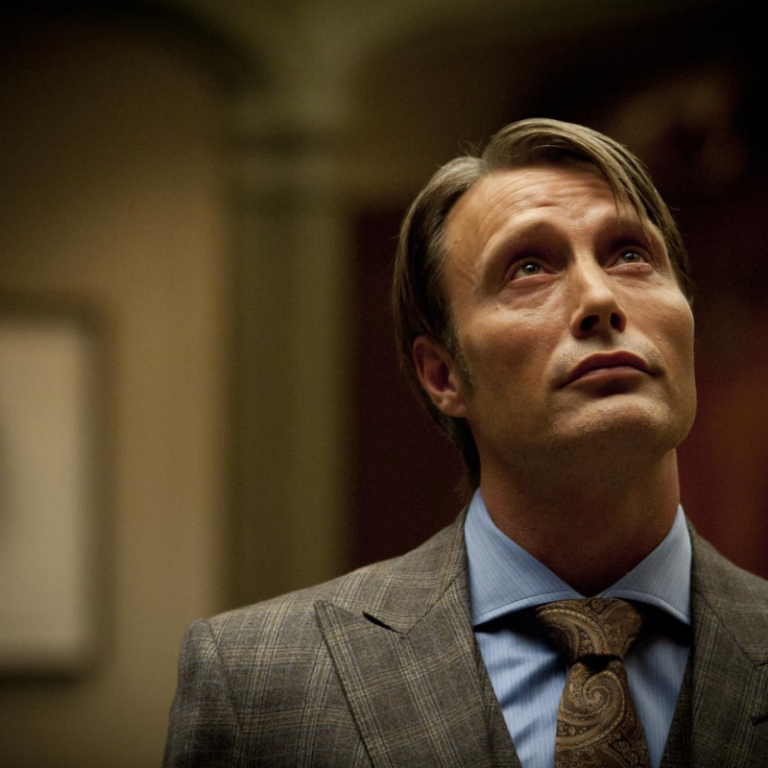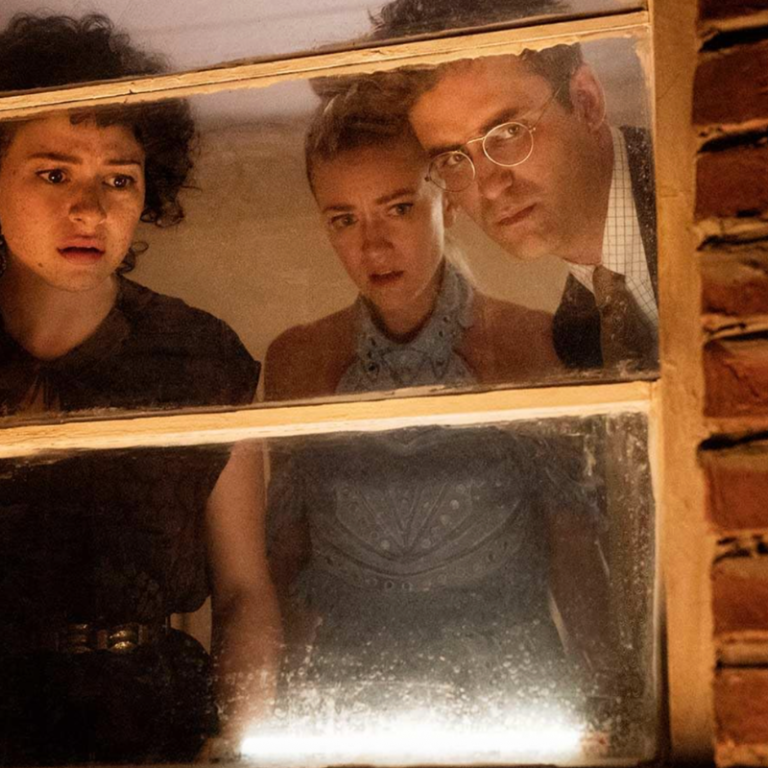

The world (or at least mine) was thrown off its axis when the trailer for Wicker (2026) dropped. The movie follows an ostracized fisherwoman, played by Olivia Colman, who commissions a basketweaver to make her a husband out of wicker, aptly named the Wicker Husband, played by Alexander Skarsgård. The trailer hinted at the upheaval the fisherwoman’s unconventional relationship brought to her village, but that’s not why it blew up the internet. It’s because suddenly every woman realized that her ideal man is a man made out of wicker.
There are two fundamental hypotheses as to why this happened: well, he still looks hot. In the same way that Jake Sully has a myriad of thirst edits on TikTok despite him being blue and having a tail, women still find Wicker Husband attractive despite being made out of wicker. On top of that, we all know that it’s Alexander Skarsgård under all that weaving. The hot, charming, and freakier of the Skarsgård brothers is already a hit among women.
But the more telling reason is that the Wicker Husband is straight up down bad for Fisherwoman and good in bed, too. In the trailer, we see how happy he makes her and can gather that she experiences the type of joy that comes from being freed and rebelling against the societal pressures and expectations that are imposed on women daily.
This is the surrealist romance’s biggest appeal.
Similar to why the horror romcom subgenre boomed among women, the bigger umbrella of the surreal romance genre gives women the space to experience romance and desire without the expectations and sanitization of conventional romantic relationships. There are endless great romance movies that are anchored in reality, stories that explore the romantic experiences of marginalized or niche communities. But let’s face it: most of the romance movies churned out by Hollywood are about two conventionally attractive people who, before finally getting a happily ever after, will have some minuscule fight over a miscommunication or some asinine issue. And to ensure a healthy return on investment, they are increasingly relying on tried-and-tested romantic tropes, churning out something half-baked or boring.
Anyone but You (2023) did very well at the box office, and it’s a win for romance fans in general. But how many times can you watch such a formulaic movie? The movie goes: two pretty, white people find each other attractive, have a “rivalry” over a lack of clear communication, get into a mutually beneficial fake relationship, miscommunicate again, and have a happy ending. I’m sorry, but it’s been done before. Furthermore, with stories that are rooted in reality, it’s more difficult to separate the characters and relationships from conventional traits, like the ego and the mind games in modern dating.
The idea of the surreal man completely obliterates the norms of realistic heterosexual relationships for both parties. For women, it’s a chance to immerse themselves in a relationship without being bogged down by heteronormative ideals of what a woman should be like in a relationship; there’s no invisible labor or the need to tolerate normalized-but-actually-not-okay things.
At its core, surrealist romances still play around the same romantic emotions: attraction, intimacy, longing, acceptance. But by putting them in uncharted territory, the story can explore these emotions without having to obey conventional ideas of romance—and makes for a more interesting premise anyway.
A common trait of the surreal man is that, while their circumstances are usually complicated, the surreal man’s devotion to the female character is straightforward and deep. In Lisa Frankenstein (2024), Lisa (Kathryn Newton) somehow finds herself in love with a resurrected corpse, The Creature (Cole Sprouse), and fixes him up limb-by-limb. Throughout the movie, Lisa does some very questionable things; and yet, The Creature stands by her, kills for her, and loves her for all her unhinged-ness. Safe to say, the deeper desire here isn’t to have someone literally kill for you, but to have someone who would understand you and steadfastly love you despite all your flaws.
Surrealist romances also allow women to explore contradictory fantasies in a safe environment. Some fantasies play with the idea of danger or risk, like the premise of Your Monster (2024). The movie follows Laura (Melissa Barrera) as she moves back into her late mother’s townhouse, only to find a monster has been squatting in the attic. They then have to learn to live together, and what started as a strained roommate-ship soon turns into a loving relationship. Finding a big, scary monster in your house and actually having to live with it is every child’s nightmare. But for some adults? Well… And similar to The Creature, Monster (Tommy Dewey) is a great boyfriend and will go to any lengths to protect her.
The underlying theme of all surrealist romances is the idea that love is accepting differences without judgment. Shape of Water (2017) demonstrates this beautifully. Elisa (Sally Hawkins) is a mute woman who lives a solitary life when she meets a humanoid amphibian creature who’s held in captivity at the lab she works in. These two lonely beings, both living on the outskirts of society, are able to see something similar in each other despite their differences.
An important part of the surreal romance genre is also about accepting love and desire without having to bend yourself into the mold first. Wicker’s whole story started because Fisherwoman, despite being an outcast, wants and knows she deserves love and sex. And so she made a man!
While it might look like it on the surface, surrealist romances aren’t just trying to push the limits on the freaky meter. The genre is exploring romance in its purest form, stripping away beauty standards, heteronormative values, and limiting realism to allow women the space to imagine love and desire as something that doesn’t have to explain itself and is entirely their own.