
Gilberto Ortiz is a Guatemalan-Mexican-American actor working across film, television, and theater who isn’t afraid to take on projects that challenge the status quo. Ortiz spoke with NYOTA about 1518: The Dancing Plague, creatives he wants to work with, and playing misunderstood characters.
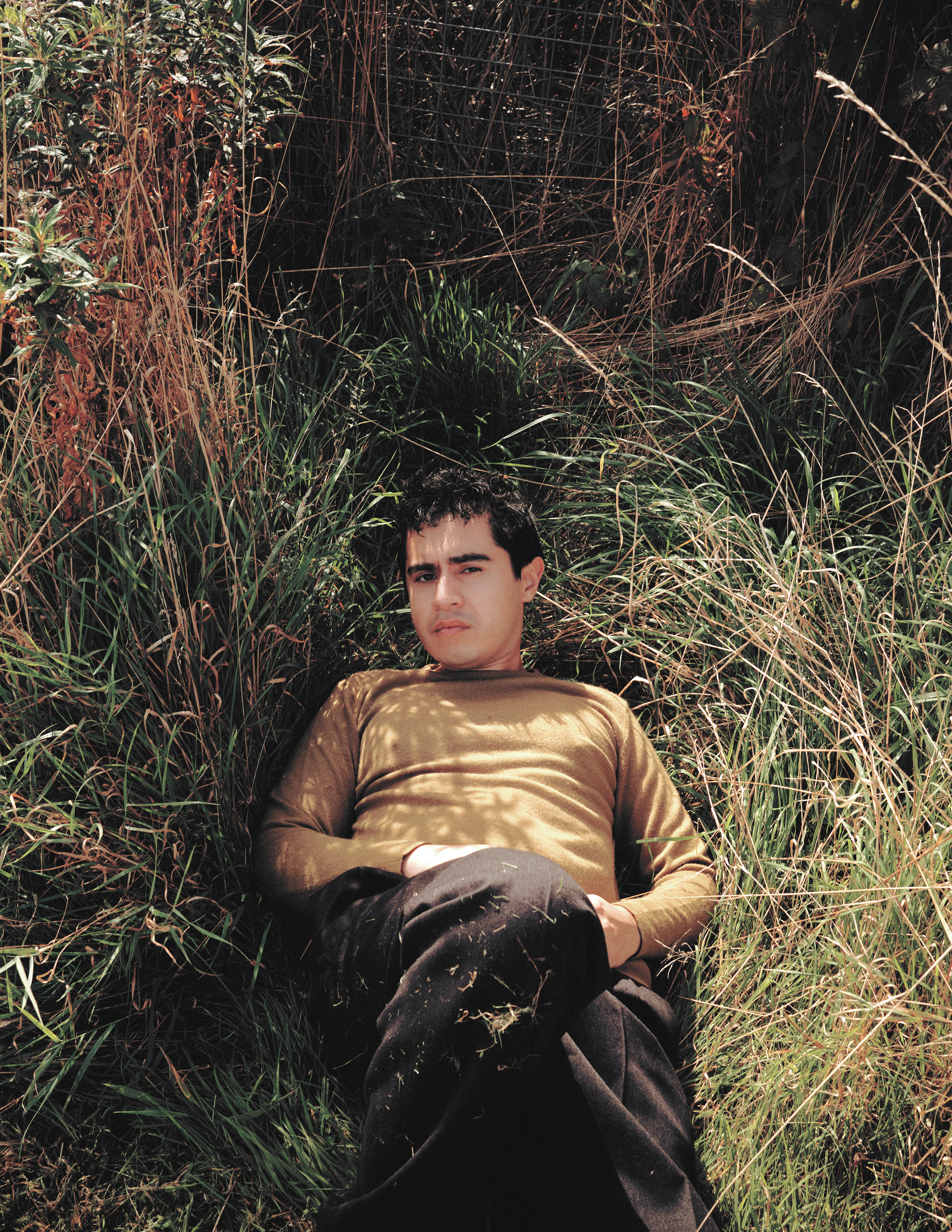
What drew you to 1518: The Dancing Plague?
I was hooked from the first page. I was dying laughing throughout my first read. It’s like a case study in mass hysteria and how we can be influenced by our environment. A mirror to society past and present. It’s camp and deeply emotional.
I read that you first got started with theater, specifically the play Desde La Calle A La Realidad. Was there a moment when performing in Edinburgh that brought you back to this time?
Dude yes! Our second-to-last Fringe show, I opened my backpack an hour before curtain and saw my entire bottle of liquid adhesive I use for one of my characters, John The Doctor, had spilled in my backpack. I panicked internally. Similarly, La Calle was full of surprises like that, and you have no choice but to make it work with what you got. I had to embrace the unexpected. I hadn’t felt a rush like that probably since then. I want more of it.
Do you use different methods when approaching a theater script versus a traditional screenplay?
Grounded means something different in both mediums. Each demands a distinct relationship with my body. On stage, it’s about projecting, using your diaphragm, and performing for the person in the back of the theater. Whereas for camera, less is more. With theater, you don’t get multiple takes. It’s a marathon from start to finish, but rewarding.
Between your recent film Atropia and 1518, is there a connective tissue between these eccentric, offbeat projects that pull you in?
I guess I gravitate toward worlds off the beaten path and characters who are misunderstood but have this relatability to them. I love when I’m left thinking about what I’ve just read or watched. Questioning my own morality.
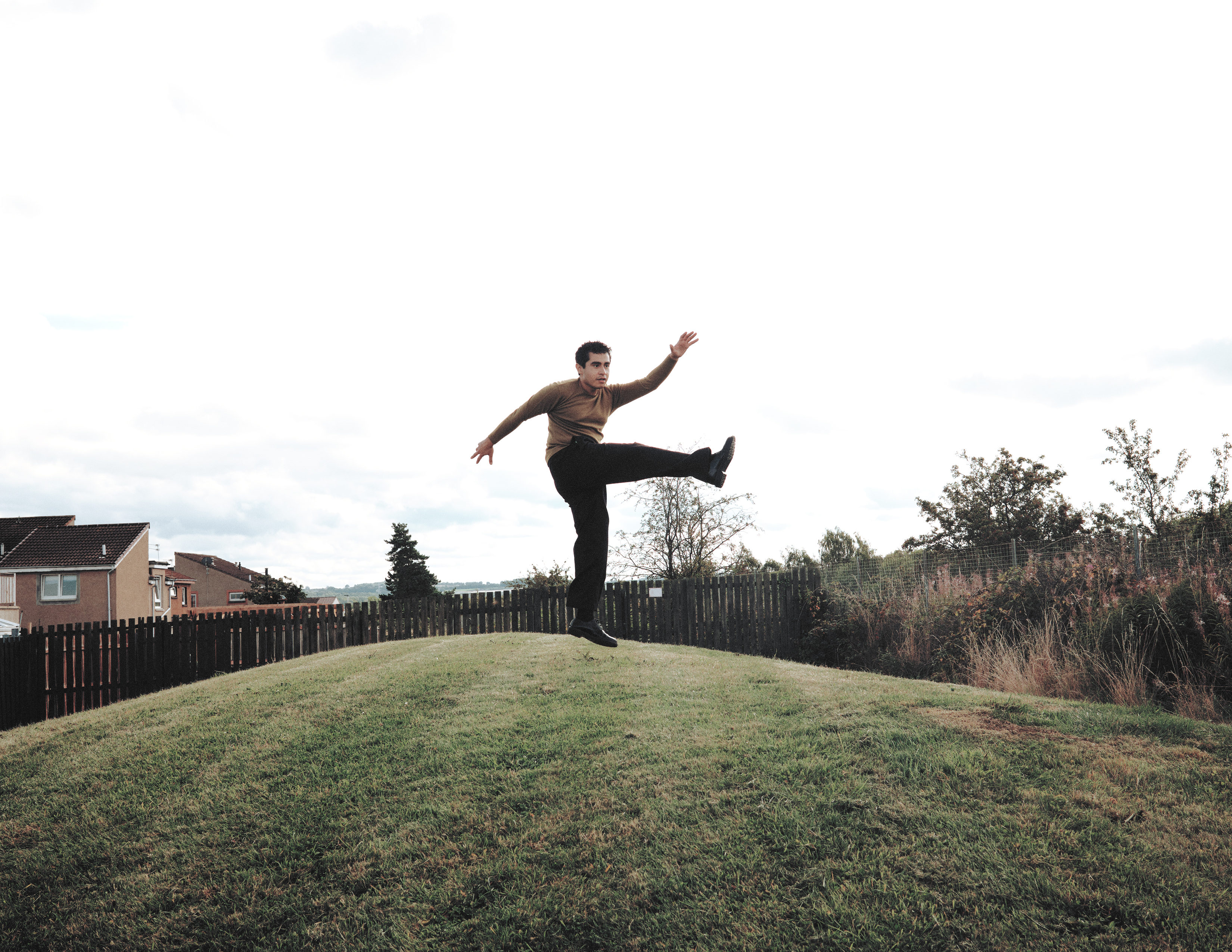
Atropia utilizes a lot of the same satire that we see in 1518. Both satirize real events by filtering them through an absurdist lens. Did their use of absurdity give you a new perspective on these topics?
The truth is stranger than fiction. People, no matter what position they hold, really are just…figuring things out as they go. It showed me how theatrical reality can be. Every society has someone pulling the strings, and the ones that end up affected are the innocent. Tragic, but finding humor in tragedy helps us get through it.
In both Atropia and 1518, you use dance and music to underpin a lot of the social commentary in these narratives. What is your relationship with the arts and the world around you?
It’s complicated. But I love the people behind the art. The world can feel stuffy sometimes, but I yearn for connection from those who are like-minded.
Have these recent off-kilter projects influenced the kind of work you want to pursue?
I want to keep working with creative forces like Kaitlyn Mikayla, Natalie Musteata, Lynne Ramsey, Chloé Zhao, Yorgos Lanthimos, Alfonso Cuarón, and Alex Garland. Unapologetic artists who have something to say. I want to tell stories that challenge the status quo.
Compare your experiences on stage, in film, and on television. How have they shaped your artistic journey?
It’s pushed me creatively and encouraged me to start writing. I’m full of ideas. I find myself running toward the things that scare me. Lately, I’ve had the privilege of being in rooms that have opened me up to worlds and stories beyond my imagination. It’s inspired me to discover how bold I can go. There are no rules.