

I rediscovered the beauty of physical media when a local Los Angeles rock band released a limited cassette pressing of their newest record that I had only recently discovered. In the two weeks I waited for it to arrive, all I could think about was where I would display it. Maybe on the shelf above my computer that housed several trinkets and figurines; potentially in my bookshelf, positioned in such a way that its red j-card could pop amid a sea of white and black paperbacks.
And then I started thinking about the local DVD rental store I used to go to with my dad when I was seven. It was a tiny shop in the corner of a small plaza where we also got our groceries. We would walk inside, admire the seemingly endless shelves of DVDs, VHS, and CDs that were waiting to be discovered, and pick one out for us to watch that week. Being the dramatic child that I was, this decision was tumultuous and stressful. We could only have one for the next two weeks. However, like every other kid our age, I loved Pixar movies; films like Toy Story (1995) and Finding Nemo (2003) were in constant rotation. So I gravitated towards the animation section, parsed through their catalog, and decided on our favorite: Monsters, Inc.
Besides their rich environments, vivid characters, and stories that were easy to fall in love with, we found simple joy in the blooper reels Pixar added at the end of their films. Seeing Sully trip and fall as the boom mic falls into view made the experience of rewatching the film that much more sincere. It was a reminder that everything, even the high stakes within the film itself, could be taken as lightheartedly as the world around us.
It’s through this retrospective lens that I find myself somewhat jaded by the influx of post-credit scenes that have become an essential part of the moviegoing experience. The expectation of a post-credit scene has transformed the credits into essential viewing, for we could be missing out on a shocking teaser for the potential next installment. So the lackadaisical and carefree nature of the blooper reel credits has now become an aspect of a film that should be taken seriously.
The MCU has undoubtedly normalized the post-credit scene to such an extent that everyone now expects a scene in every new release. But with every film seemingly joining or creating their own cinematic universe (Obsession director Curry Barker recently stated his upcoming film Anything But Ghosts will take place in the same universe as Obsession), I can’t help but miss the unseriousness that made itself available once the credits rolled. Could a film not exist without the corporate desire to include it in a greater cinematic canon? Surely, but statistics have shown that sequels and reboots are still a powerhouse at the box office, despite recent trends pointing towards the opposite.
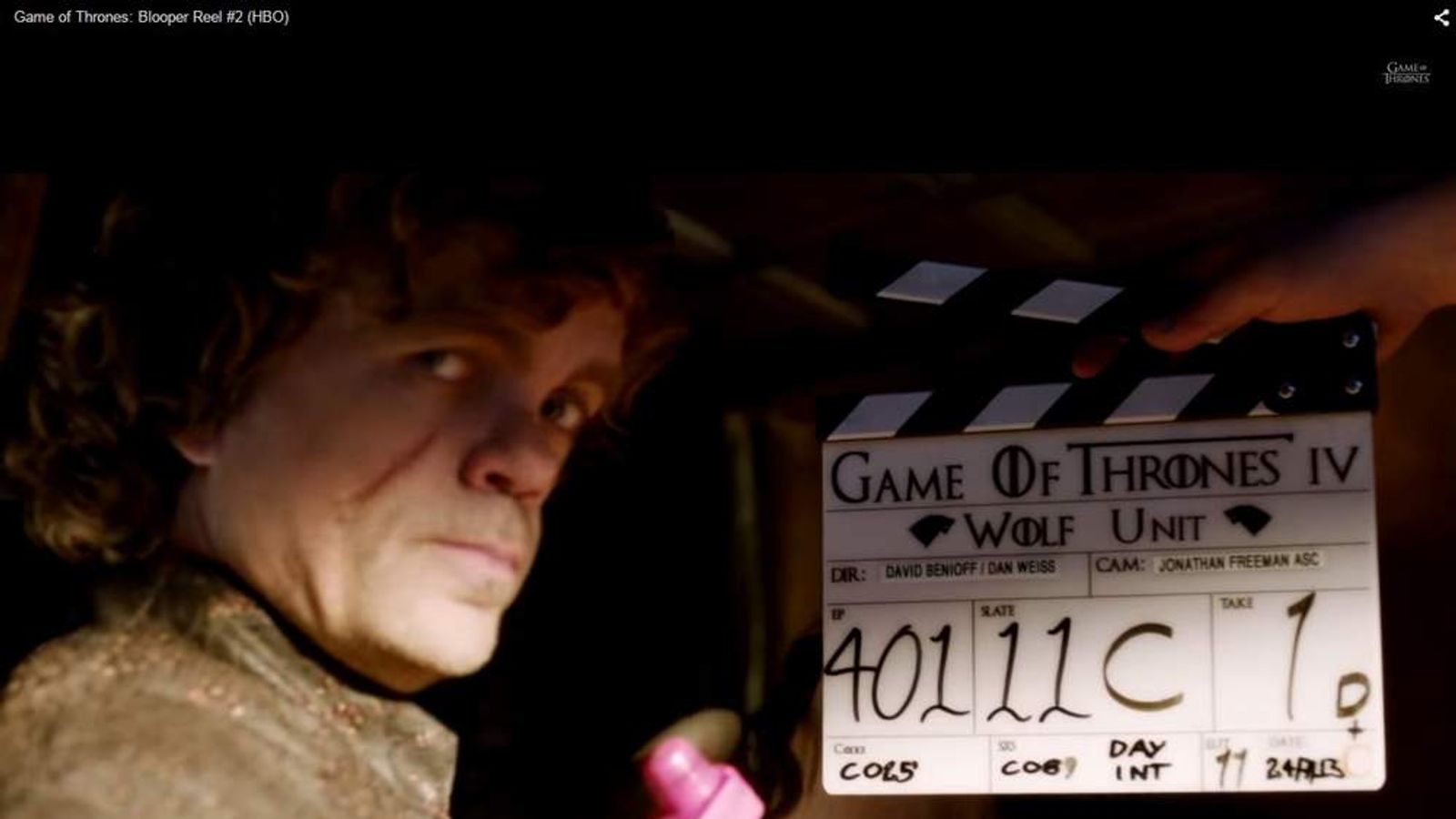
If the post-credit scene signals continuation, the blooper reel in the realm of cinema signals finality. When the credits roll and a film slate introduces a montage of goofs and outtakes, it purposefully breaks the immersion and allows the film to enter our world, one where mistakes happen, and laughs ensue. The impersonal nature of a film in relation to its audience is broken by the authentic camaraderie that is seen through actors and crew enjoying each other’s company. It’s easy to lose yourself in the grand and intricate narrative of Game of Thrones, but watching actors break and laugh reminds us that, while its intensity is at the forefront of the show, the relationships behind the screen are what drive the show. When the camerawoman bumps into the wall and the crew of Parks and Recreation laugh alongside her, I can’t help but feel in on the joke.
It’s through these blooper reels that I learned how to have fun with films. There’s a simple joy in watching actors break and laugh alongside the film’s crew. Not only is it a low-stakes, fun way to engage with a film, but a connection establishes itself through the authenticity of the blooper reel. Because no longer are we relegated to simple viewers, we’re active participants, laughing alongside the crew as the veneer that separates the film from the real world is broken.
The lightheartedness of the blooper reel is a reminder that there is fun to be had with film. I’m reminded of the faux bloopers from Toy Story 2 (1999) or the hilarious outtakes from Superbad (2007). Their ability to alleviate any lingering pressure with simple gaffes helps foster a deeper connection with the audience. It serves as a bridge that meets the audience halfway, including them in on the fun rather than keeping them as a distant spectator.
The real loss comes from the absence of connection and authenticity. Every new film has to lead into another as though it can’t simply exist in the world in which it’s created; the blooper reel offers a glimpse into that world. It doesn’t hide the fact that it’s a work of fiction; it embraces it and lets us enjoy the process alongside those behind the scenes. It leaves us with an idea of how we should see our everyday lives: relaxed, lighthearted, and not too serious. With how serious the real world is, it’s important to have a break from all of it, to laugh at your own mistakes and take them in stride. It’s a necessary break from the seriousness of everything around us.