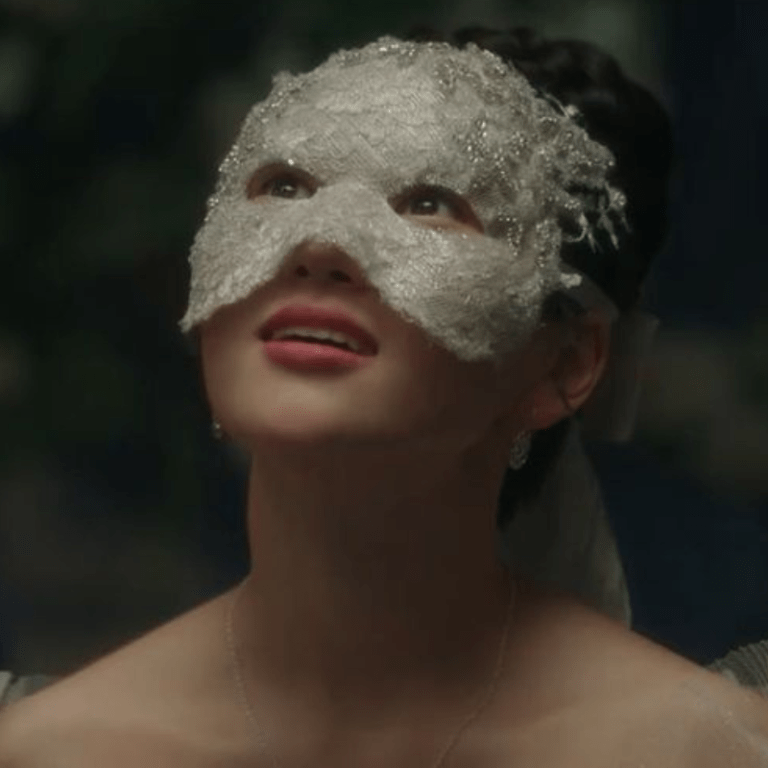

From acting to shark advocacy, Analesa Fisher does it all. Their new film, “Saving Buddy Charles,” follows two best friends on a rollercoaster ride of a road trip to save a pet lizard. NYOTA spoke to Fisher about what they love about writing, the thrill of voice acting, and capturing the authentic Gen Z experience on screen.
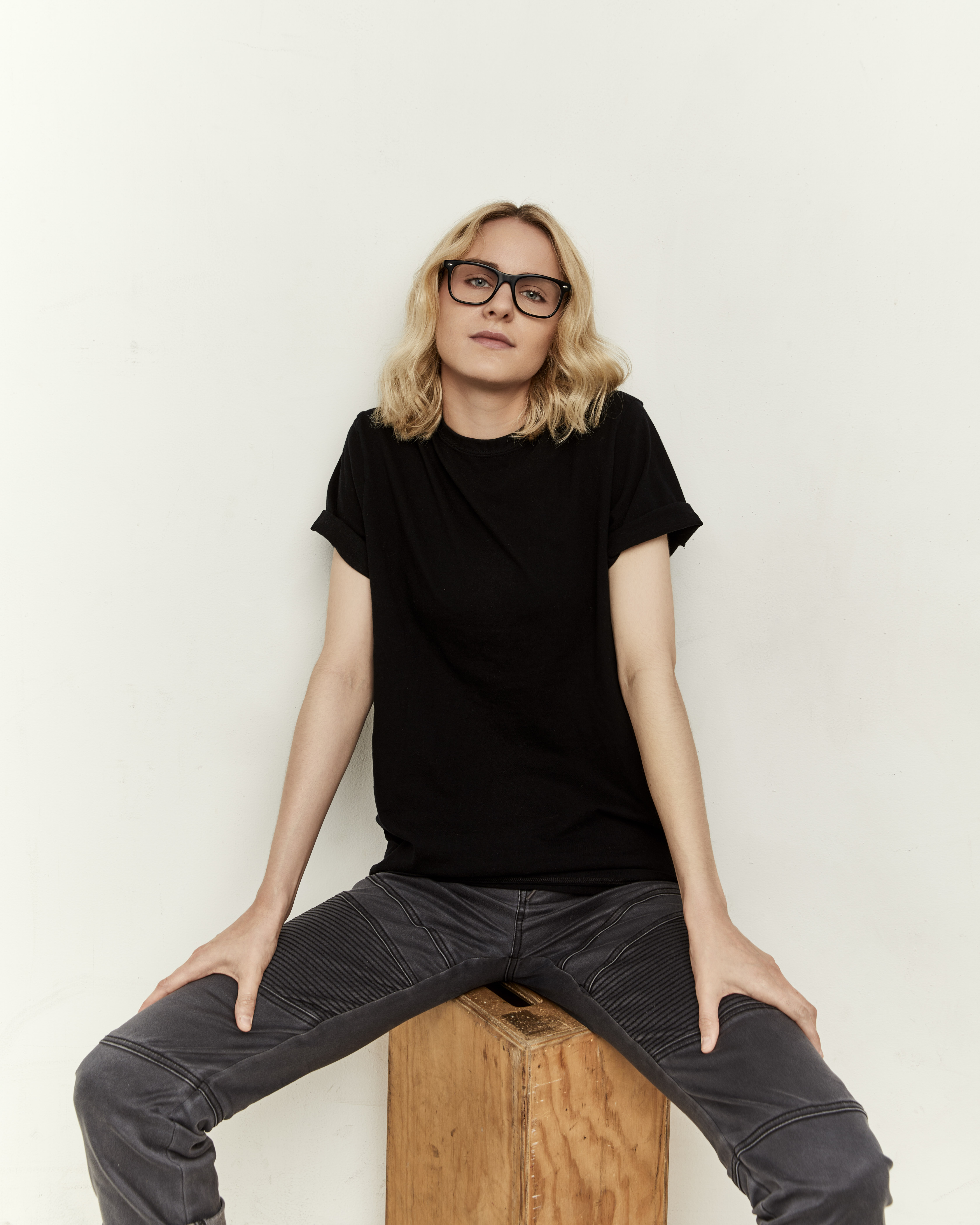
You’re a writer and an actor across different spaces: on screen, on stage, and in the recording booth. How has working in all these disciplines shaped your creative process and instincts?
There are unique intricacies that come with each of the separate mediums, but honestly, I think every actor should dabble in a screenwriting class at least once. It really teaches you about the ins and outs of playing a scene. When I get scripts for auditions, the first thing I’m reading is, why this scene? Why this conversation? Every single moment in a screenplay is precious. Word count and page counts are precious, so there’s really no wasted moments. I find it endlessly fun to work through writing a scene, and just as much fun looking at a scene written by someone else and trying to get into their head to understand it better. It’s all one big puzzle, and the different careers play right into each other. Writing haunts my acting work like a ghost in the night. I used to get in trouble with my agents when I first moved to LA, because the sides I’d bring to auditions would have writing scribbled ALL over them. Every margin, back of the page, and blank space was filled with ramblings like a prisoner on a cell wall. One of my first agents said the casting directors would think I was insane and make me print out fresh sides before going in.
Writing seems like a big part of your life, from films to plays to books. How did you first get into it? Are there any projects you’re excited about or want to share with our readers?
I’m trained in Meisner, so as a kid, most of my acting work was just doing Meisner techniques, coming to the door activities, and really trying to understand listening and emotional depth, but later in elementary school, when we finally started working on sides. My brain exploded. I literally could not get enough. I would transcribe episodes of Disney Channel shows on my dad’s legal pads that I’d steal from his office, and eventually, I wrote my first feature. Admittedly, it was terrible. I was very young, but I just never stopped. I’d write two or three scripts a year. And finally, this past summer, I got the attention of the literary department of UTA and was signed to the agency for my screenplays and YA novels. It’s crazy to go from begging your friends to read a few pages in their spare time, to all of a sudden, huge executives taking interest in my scripts and asking me to come onto studio lots to meet them. I have a few scripts circulating around right now, including one of my personal favorites that I’ve dubbed my “gay, autistic, lucid dreaming thriller.” All of my writing usually has someone young going through something really traumatic, but instead of leaving it on that ending of “and then they die, or never get help, or even, we don’t know what happens to them,” I wanted to show people HOW they might get through it/to the other side of it. For young people who are going through a shit time and don’t want to feel as alone in tackling how to get through it.
Your new movie Saving Buddy Charles is your second coming-of-age feature film. What draws you to these projects, and is that something you want to keep exploring in the near future?
I think, similar to the stories I’m looking to write, I’m really drawn to storytelling that shows young people with as much agency as I know they have in real life. My childhood wasn’t easy, and in truth, everyone has been through something. Everyone has baggage to bear, so if one piece of my writing, or one role I’m playing, makes some young person out there feel seen for the hour and a half to two hours they’re invested in our world, then it’s worth it. Then I’ve done my job. Then I’m fulfilled. I would love to do more. I have my eyes peeled for stories akin to Life is Strange and The Last of Us, so we’ll see where my career takes me.
Your performance as Clara and portrayal of teenage friendship alongside Jillian Shea’s Sydney felt authentic. How did you build that chemistry, and what choices did you make to ensure the teenage dynamic felt real without trying too hard to be “Gen Z”?
Our director, Grace, was really adamant about letting us just “be” when we were on set. If we needed to change up the dialogue mid-scene, or something didn’t feel right, we were quick to change it. Jillian and I’s chemistry just felt like lightning in a bottle. I was so lucky to have her as a scene partner every day. It rarely felt like the cameras were even on us. Hours lost in that Volvo made it really feel like her and me were just on this road trip, having fun. I think when you put Gen Z storytelling in the hands of Gen Z, you don’t really have to do much to try too hard, haha.
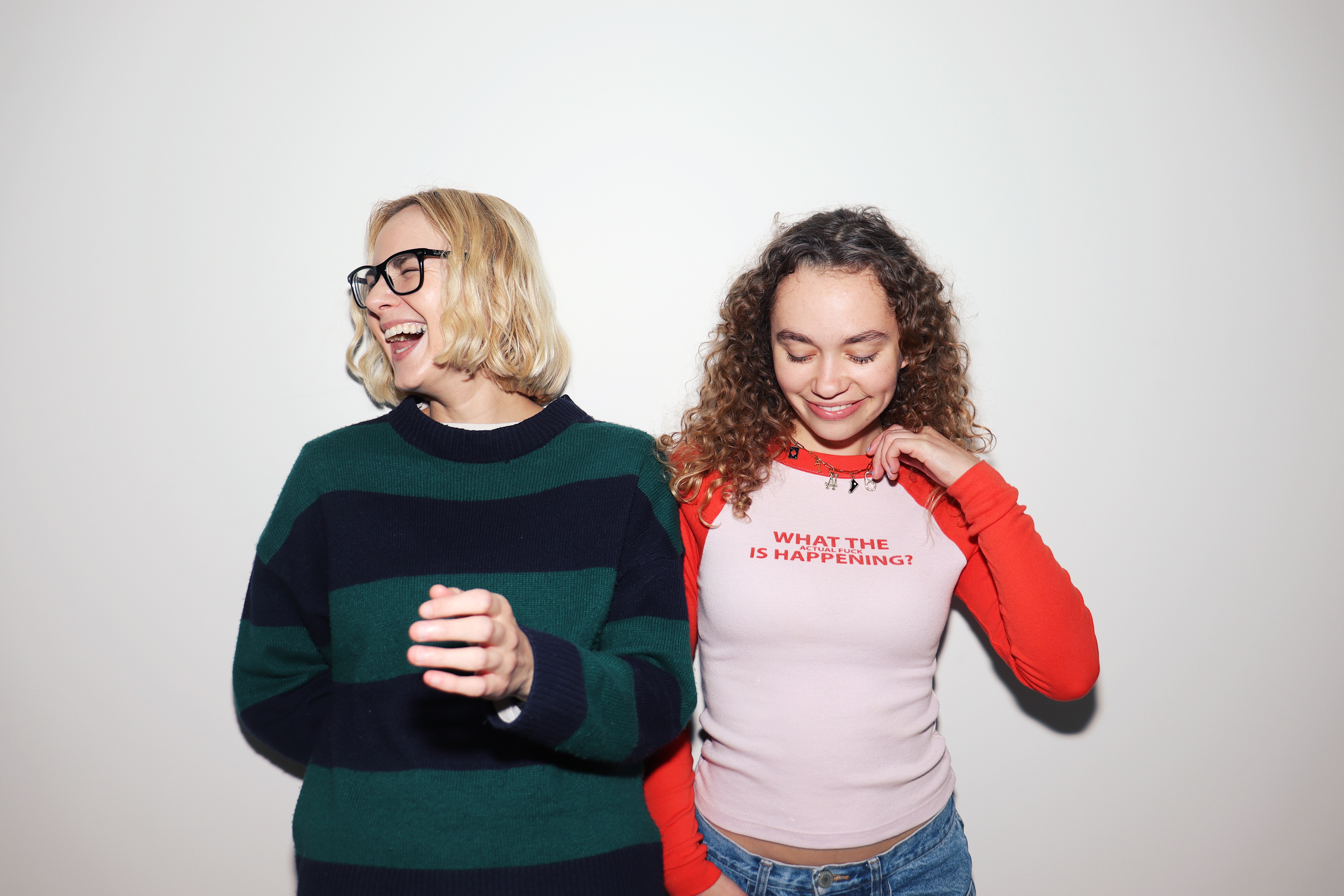
A lot of Clara’s and Sydney’s important conversations happened in the car. How do you approach filming these more intimate or contained moments?
I think that’s just the power of letting go. Why try to “make a car scene feel natural” when you can literally just… do it. Obviously, a huge amount of script work went into my prep before we started filming, which helped when shooting scenes out of order. I had this insane binder I would bring to set with a million color-coded tabs, that would tell me exactly what the moment before was, where Clara’s emotional state was in the journey of their roadtrip, etc. So that made it really easy to actually just drop into these scenes and… yeah, just let go.
You’ve been doing voice-over work for a long time, from video games to children’s animated series. What keeps you coming back to voice acting, and is there a genre or type of character you love working on the most?
Voice acting is such a treat. I try to convince all my other on-camera friends to do it at least once. Like writing, the medium plays RIGHT into each other, just with a different flavor. Something I love about voice acting is the spontaneity of performance. Especially for video games, many times we never see a script before we go in to record. We are really reliant on our directors to lead us into the story and guide us through the performance. But where does the magic happen? When you read an audition script for an on-camera audition for the first time, and let’s say you have to hear the words: Your dad’s gone. He’s died. When you read them for the first time in that script, you have the same visceral emotional reaction that the audience is gonna have when they see it for the first time. But after that? You know it’s coming. That’s where technique comes in. You have to make it seem like this is the first time you’re hearing the words, sometimes forty times while shooting, to pull it off. But with voice acting? We’re able to actually capture that performance of that raw, first-time emotion. I’ve broken down sobbing in the booth before, because I was just so touched by the moment that was happening to the character, and I was experiencing right alongside the character, like it was happening to both of us for the first time. It teaches you a LOT about trusting your instincts and what your triggers are, all of which you can then use for on-camera as well. It’s like one big playground with different sandboxes.
Previously, you’ve talked about your role in Metal Lords (2022) and how you unexpectedly related to your character, Kendall, despite feeling uncomfortable in costume. How did that experience influence the way you get into character?
I think, as I said all those years ago, costuming, hair, and makeup can really make a world of difference. I was supposed to be this awkward, unsure girl who didn’t know her place in the world, but was just desperate to fit in. The Analesa who showed up to set with their skateboard and boy’s clothes was confident, happy to see everyone, and just having a blast being there. But then I’d actually walk onto set wearing this tight dress, with wild curly hair and makeup that made me feel like a different person, and it really changed me. I felt awkward. I felt out of place. I felt like I was pretending to be something I wasn’t. And kind of like sinking into the Volvo seat, I just let go and let it happen, and that truly was the best thing I could do for Kendall.
You’re also a shark advocate—such a cool and unexpected passion! Why is it something that matters to you?
Ah, well, I am SO glad you asked!!! Sharks mean the world to me. They’ve been my special interest for as long as I can remember. I own a growing collection of 384 anatomically correct shark stuffed animals that I use to educate the public about shark biology, and debunk harmful misinformation that they’re the “world’s scariest and most dangerous predator.” Something that is just truly so false. Sharks are being killed in mass every single year. Literally 72 million sharks are murdered every single year on this planet, usually for things like shark fin soup, but also because of the corrupt big fishing practices. They are in danger of extinction, and without sharks, our oceans don’t stand a chance. There’s a delicate ecosystem there that relies on sharks to balance out the organisms that feed off our coral reef beds, which are one of the biggest contributors to CO2 absorption on our planet. Without thriving reef beds, we could suffocate on our own planet and die! Not fun stuff. I’m like The Lorax. I may not speak for the trees, but I scream about sharks just about everywhere I go. I’m a proud member of the Young Hollywood Board for the Environmental Media Association, and my entire platform is shark conservation and Gen Z education for that very platform. I take my job very seriously, and I am warning you, if you see me out and about and make the mistake of complimenting my shark backpack? I will rope you into a discussion about saving the sharks. It’s non-negotiable.