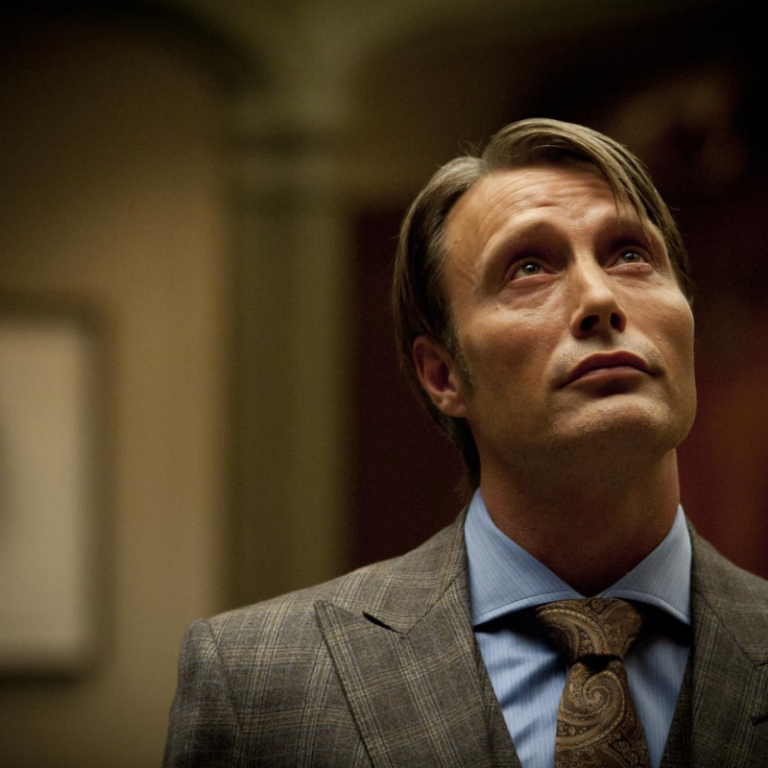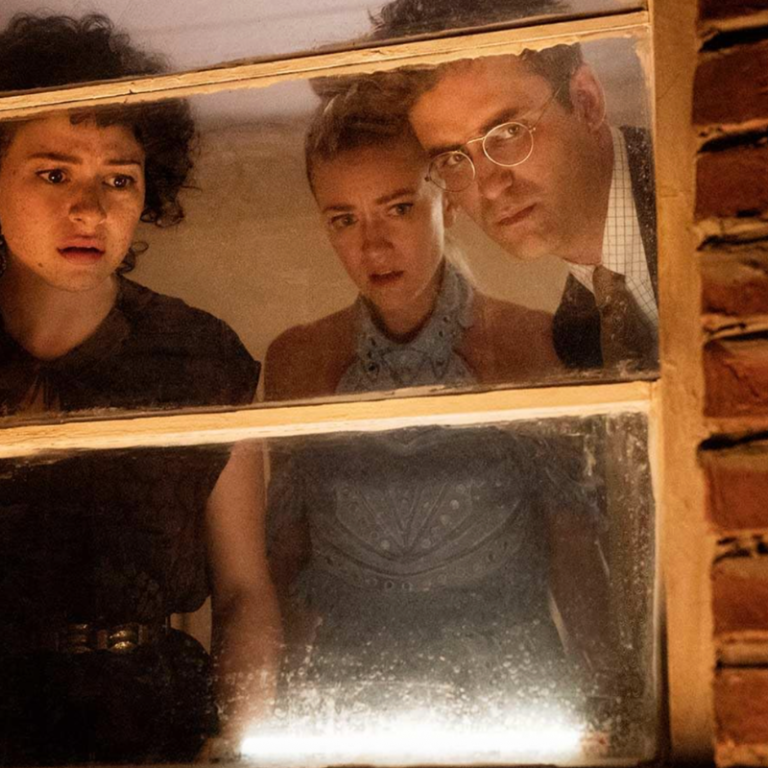

The film Pasa Faho follows a charming shoe salesman and immigrant from Nigeria who is just making ends meet. When his 12-year-old son, Obinna, who has assimilated into Australian culture, moves across the country to live with him. NYOTA spoke to co-lead Tyson Palmer about capturing Obinna’s internal struggles with identity, working with seasoned actors, and the types of projects he hopes to explore in the future.
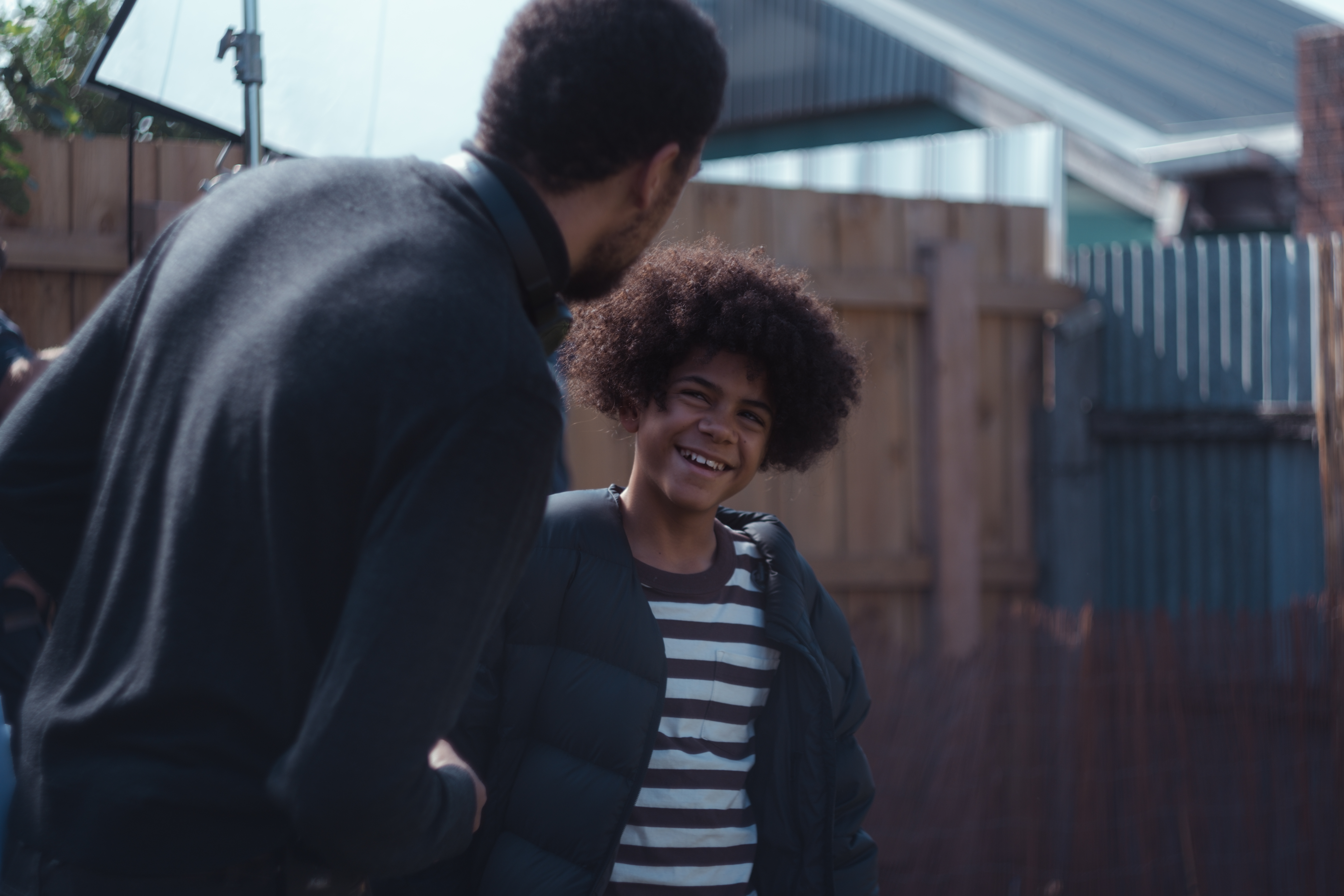
What drew you to the role of Obinna, and what was the process like to get into character?
I think what drew me to the character of Obinna was how similar we were. I related to Obinna on so many levels. Being mixed race myself and having issues around cultural differences in my own family, made getting into character easy, all the emotions and issues Obinna was facing were familiar and very relatable.
In this movie, we see Obinna trying to bridge his Igbo and Australian identities throughout the film. How did you capture that internal journey, and what did you want to show the audience?
I felt Obinna really struggled at first with bridging the Igbo/Australian cultures. I grew up in the Australian way of life, that is all I knew, so having to take on a different culture is hard, as teenagers we are already struggling to find ourselves, and just fit in. Taking my personal experiences with me while filming, helped me portray Obinna’s character and his emotions. I wanted the audience to see the difficulties young kids from mixed families face, it isn’t easy, but if we go in with an open mind, open to learning, we will find there is so much we can take from being a part of two different cultures.
The scene where Obinna presented his father with the church money was intense and raw. How did you prepare for that scene and what was the filming process like?
I knew going into the money scene, it was going to be challenging, so I had to make sure I was prepared. Before shooting the scene, I broke down all the emotions Obinna must be feeling at the time, what was going through his mind, the struggle his father must have been dealing with, how would I feel if that was my dad going through this, I made it personal, this helped me show the raw emotions. The filming process for this scene was easy, but when you have to do multiple takes, it gets a bit trickier and harder to find the raw emotions after a while. Having a director like Kalu made it easier and smoother, he’s so clear in what he wants and is great to work with. Okey with all his experience was awesome, I was able to bounce off his character’s emotions, which really helped a lot.
While Obinna has teenage angst aimed at his father, he also has deep love for his father. How did you balance those emotions in your performance?
I looked at my own relationship with my dad as an example. At times we struggle to connect, and don’t always see things the same way, but during those times I never thought he doesn’t love me. I understand that he only wants the best for me. When you have lived the emotions, it makes it easier to bring the right emotion at the right time during filming.
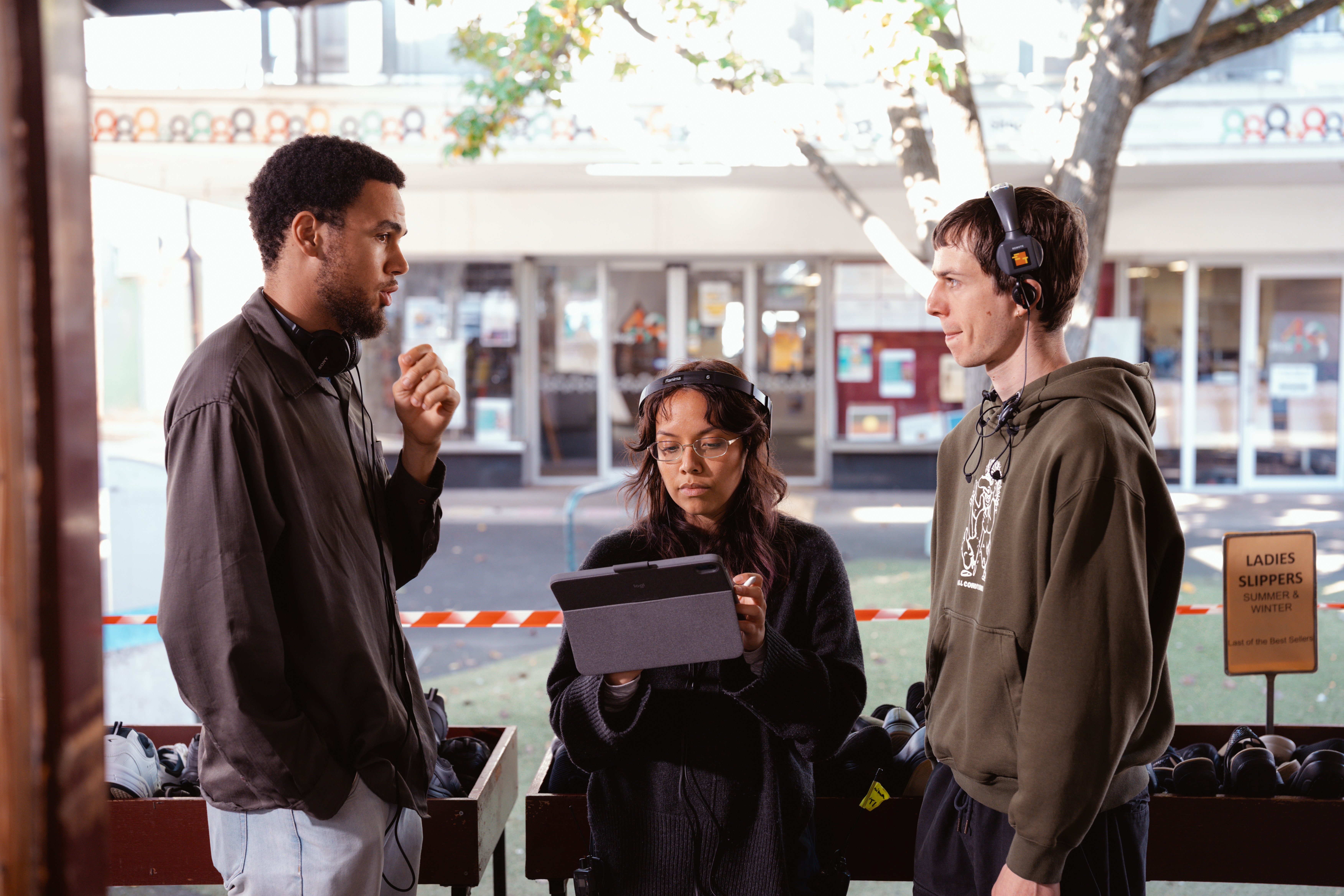
What was it like working on set with other actors your age and elders who can shed knowledge on Igbo culture?
I totally enjoyed working with other young actors, it was so much fun, always great making new friends. Most of the young actors were on set for the first time. I felt I needed to be an example, and show them what is expected of young actors. I know it can be challenging for directors to work with kids at times. Working with Okey and the elders was awesome, I learned so much about Igbo culture, on breaks we would sit down and chat about their lives in Nigeria, all the different tribes, how it was like for them growing up there, and they also taught me some basic Igbo language, which was cool.
Director Kalu Oji wanted the actors to freely express themselves in front of the camera. What did you bring to Obinna to make the character feel like your own?
Obinna and I were the same on so many different levels, we shared similar experiences and emotions, I just totally related to his character. I was able to draw on my own experiences to portray the character and bring Obinna to life.
How was it working with seasoned actor Okey Bakassi and creating a layered father-son relationship on screen with him?
The first day I met Okey I was so nervous. I had so many doubts and questions: was I going to be good enough? My mom just kept saying to me, ‘Just do your best.’ Luckily Kalu had arranged for us to hang out together before we went into filming. On our first day Okey taught me how to play pool. It was a lot of fun and he was so easy to talk to, we just clicked, reminded me of my dad in some ways. While filming Okey and I would sit together in the green room just talking about the industry, our experiences and life. He taught me so much, he was like my second dad while I was away filming, so bringing the father – son relationship while filming felt easy. I really loved working with Okey, he’s so talented and he just made the whole process fun and easy.
Looking ahead, what kind of roles or projects do you want to explore?
At the moment I am still learning about the industry, and what is right for me. I love action, but also drama and feel good movies. I have no set idea as to the type of roles I want, what I am sure about is I love acting and want to continue to grow as an actor. I am open to all opportunities that come my way.