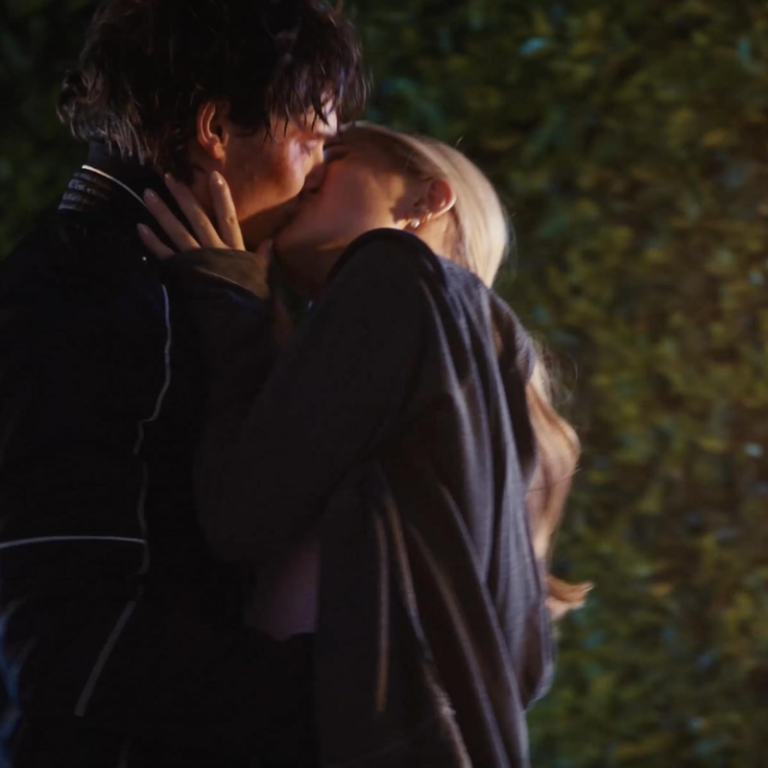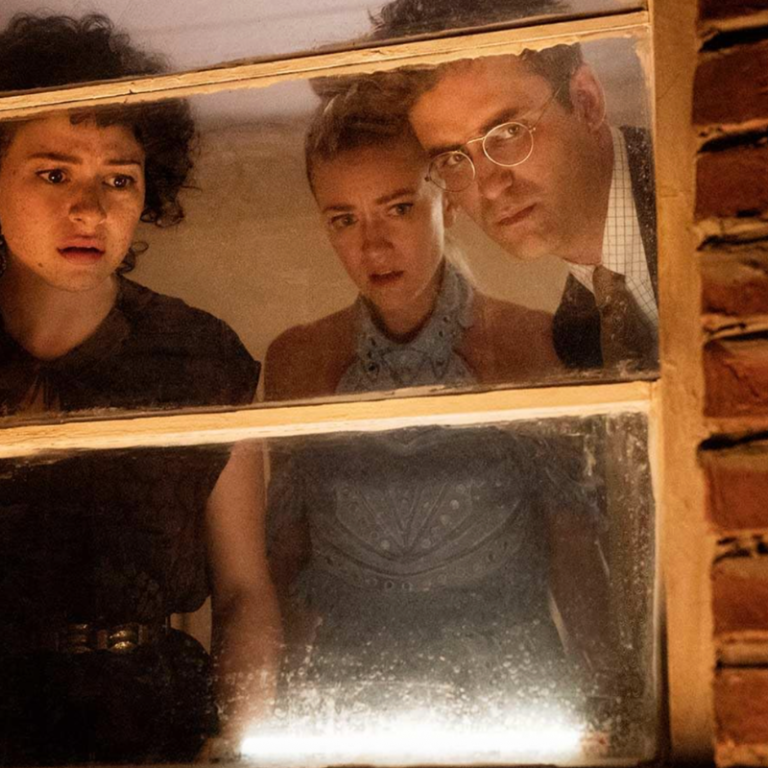

By the time Charli XCX’s 2026 mockumentary The Moment hit theaters earlier this year, brat had surpassed every defining cultural moment of the past decade both in scale and reach. The album became an instant phenomenon upon release, propelling the term ‘brat summer’ into the lexicon of everyone with internet access. The viral hit “Apple” and its subsequent TikTok dance became one of the biggest online trends of the summer, garnering over 200 thousand unique videos by the Fall of that year. Most notably, then Vice President Kamala Harris adopted brat’s iconography as a campaign meme leading up to the 2024 election; “kamala IS brat,” Charli tweeted shortly before Harris became the official Democratic presidential nominee. It seemed like wherever you were, brat was there too.
The Moment adopts brat’s hedonistic party lifestyle of indulgence and excess whilst pensively meditating on the meaning of one’s legacy and artistic integrity. Following Charli XCX on the eve of her “Brat” Tour, she butts heads with herself and her team as she gets caught up attempting to capitalize off brat’s momentum through “Brat Live!,” a concert film that’s becoming increasingly devoid of her own artistic input as the film progresses. Through a satirical documentation of Charli’s experiences during the height of brat, The Moment stands in direct opposition to it, attempting to stifle any remaining cultural significance and capital it has while remaining true to its core ethos. As the film reaches a close, Charli decides to do the film, despite it being everything she’s against. “I’m doing it, not to keep Brat going but to destroy it; to let it die,” she says as the film fades into a bastardized trailer for the concert film.
The Moment is a ‘concert film’ in the way it captures the essence of Charli’s experiences leading up to and during her solo tour. “I was approached to make a more traditional tour film around the ‘Brat’ shows I was doing,” she explains in an interview with Variety. “I was thinking of how I could put a spin on a long-form film about what I had experienced throughout the album cycle. This is where I landed, this satirical take not only on the music industry but myself.” Could a standard concert film have captured the whirlwind of emotions spread throughout both The Moment and brat? Maybe, but the satirical nature of the film poses several questions on artistry and cultural relevancy: How should a concert film operate in the grand scale of an artist’s oeuvre? Similarly, is the concert film a document of a specific moment in the artist’s life or the cultural zeitgeist that surrounds it?
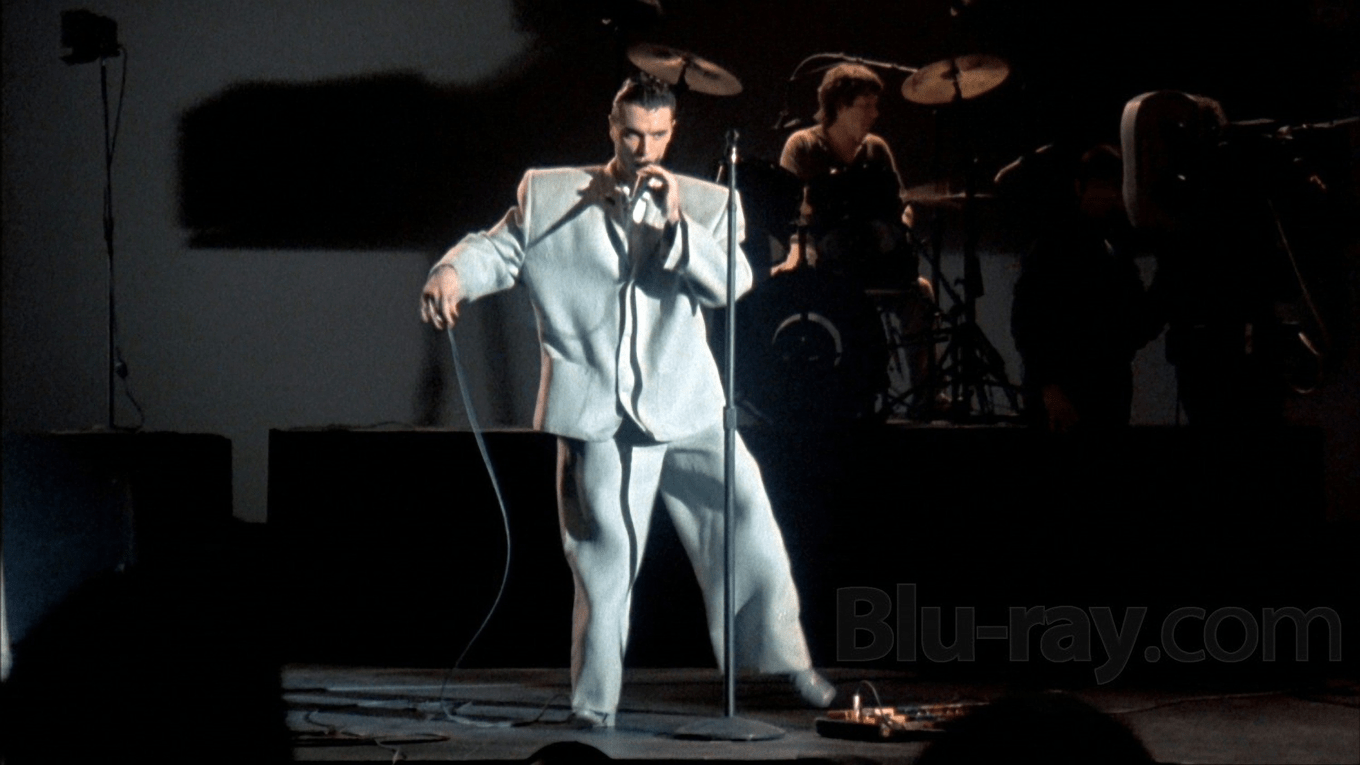
The concert film has been on the rise for the past couple of years. Taylor Swift’s 2023 film The Eras Tour became the most profitable concert film in history, landing as the 30th highest-grossing film of that year with $261 million. Billie Eilish’s Hit Me Hard and Soft: The Tour, produced and directed by revered filmmaker James Cameron, has grossed $26.7 million since it hit cinemas in May. In 2023, an A24-led 4K restoration of Talking Heads’ Stop Making Sense was met with critical and commercial praise upon release. A tribute album was even released, with notable acts like Miley Cyrus, Lorde, Norah Jones, and Paramore lending their voices in covering several tracks from the original live album.
These films aren’t anything new, but with acts like Beyoncé, BTS, Stray Kids, Ariana Grande, and every other major artist making their own live film, it’s easy to view the medium as a simple marketing ploy to keep the momentum going; acting as another avenue to keep profits flowing. This dismissal is an apt but surface-level examination of the medium.
It isn’t lost on labels, execs, and artists that a potential film could garner additional profits and extend the longevity of a desired project (this is at the crux of Charli’s dilemma in her film). But this singular and reductive view, in both our analysis of these individual films and of the medium as a whole, begets a mindset in which the desire for monetary gain is the only reason these films exist. Because why else would Taylor Swift release a film about the most profitable solo tour of all time if not for a quick buck?
In many ways, the enduring legacy of the concert film is rooted in cultural preservation. There’s an archival aspect to these films that goes largely unrecognized. Peel back the curtains, or in this case, the screams of adoring fans on One Direction’s This Is Us, and you get a time capsule of a boy band comparable to the likes of NSYNC, The Backstreet Boys, and even The Beatles. Whether their influence or legacy is comparable to those groups is up for discussion, but the cultural dominance the group maintained during the early 2010s is forever fossilized and etched on film for us to revisit.
This preservation is essential in documenting the cultural signifiers that define a given time period. Pink Floyd’s 1972 film Live In Pompeii, a milestone in the concert film genre, not only captures the atmosphere of the early ‘70s but also the idiosyncratic artistry that the band was known for. Stretches of instrumentals ring throughout the empty amphitheater of Pompeii as the band performs what would eventually solidify their place in the pantheon of rock icons and, arguably, make them one of the greatest bands in music history.
Similarly, Mitski’s newest film, Mitski: The Land, aims to capture her artistry, detached from the cultural significance of her status and identity. The film frames Mitski as though singing alone in an empty void. For a large portion of its runtime, a lone spotlight shines on her as the crowd, completely masked in a sea of darkness, only makes their presence known after each song ends. Despite Mitski’s status as one of the defining songwriters of our generation, it’s neither her status nor the crowd at the center of the film. It’s her artistry, and in due time, much like Pink Floyd’s Live In Pompeii, the film will be viewed as a recorded document of an artist reaching their creative peak.
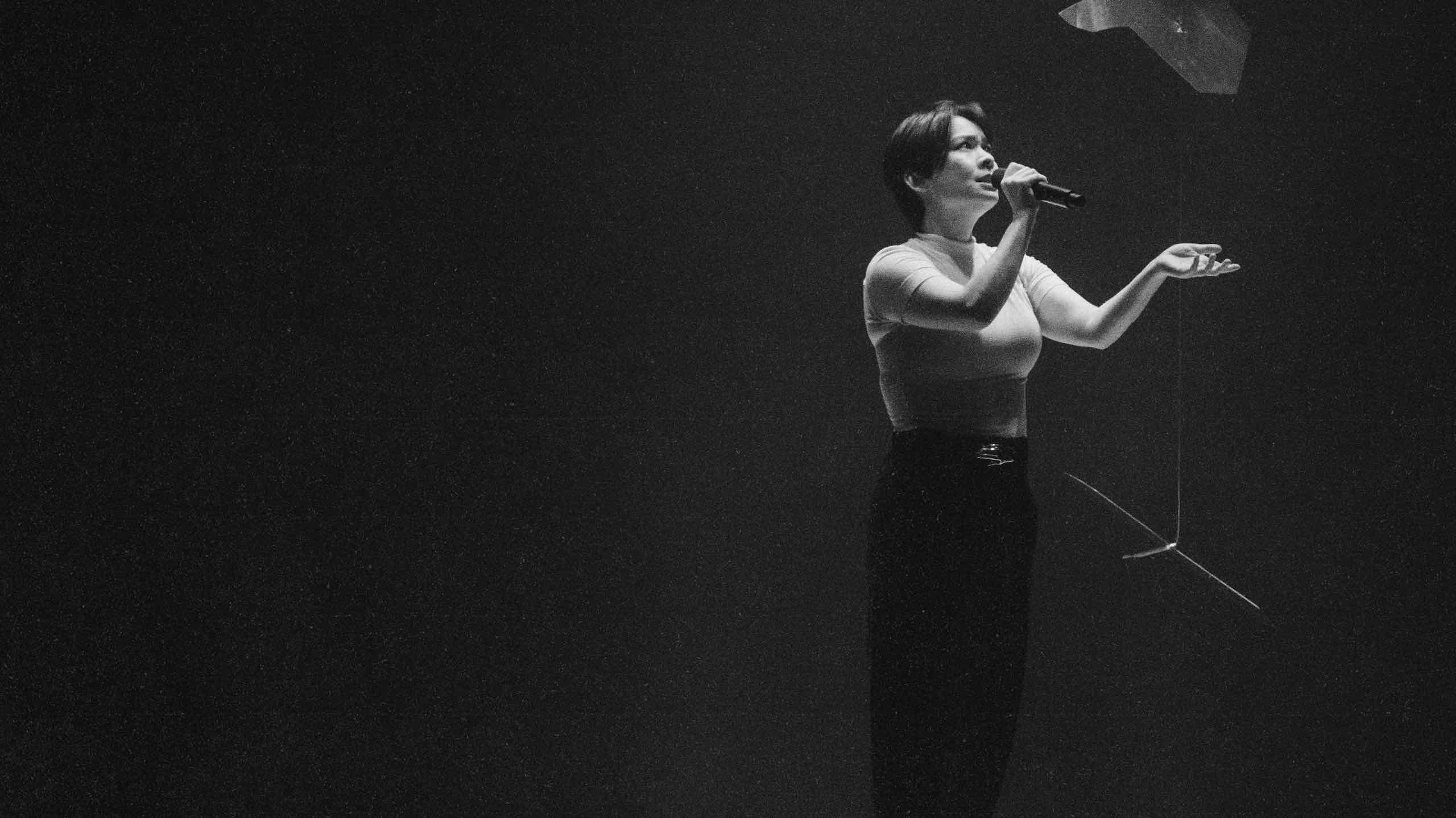
Critical commentary on these films tends to focus on their inherent status as additional ‘content’ that, due to their grand spectacle, promotes them as another consumable product for the masses; it undercuts any artistic and cultural relevancy that many of these films possess. Such commentary posits that greed lies at the foundation of these films, and while the sentiment may ring true for some, the ability to capture specific zenith moments in popular culture far outweighs the commodified aspects of the medium.
Concert films are self-aware snapshots that write their own history; they’re also just incredibly fun experiences. Both audiences and artists can find catharsis in the exhilaration that comes from performance, or the joy and passion that comes from seeing your favorite songs reinterpreted in new and interesting ways. And the discussion surrounding these films isn’t whether they contain any artistic merit but whether their mere existence stands as a testament to the industry’s excessive commodification. However, a retrospective look into the history of popular culture gives us another perspective. Could we live in a world where David Bowie’s Ziggy Stardust and the Spiders from Mars was never captured on film? What would it look like had Stop Making Sense never come to fruition? For one, I’m glad we never have to know.