
With the 2026 FIFA World Cup in full swing, joyous fans and spectators are familiar with the sight of energized soccer (or football, depending on where you reside) teams proudly wearing soccer kits decorated with their national colors and emblems.
However, before the games officially commenced, some teams were seen sporting a different look. Instead of wearing sportswear or athleisure, a few of them stepped off their planes in dashing, tailored outfits that could easily be featured in a fashion magazine.
As a self-proclaimed fashion enthusiast (I do appreciate a well-tailored ensemble), I was drawn to two African soccer teams.
To start off, team one was the Democratic Republic of Congo national football team.
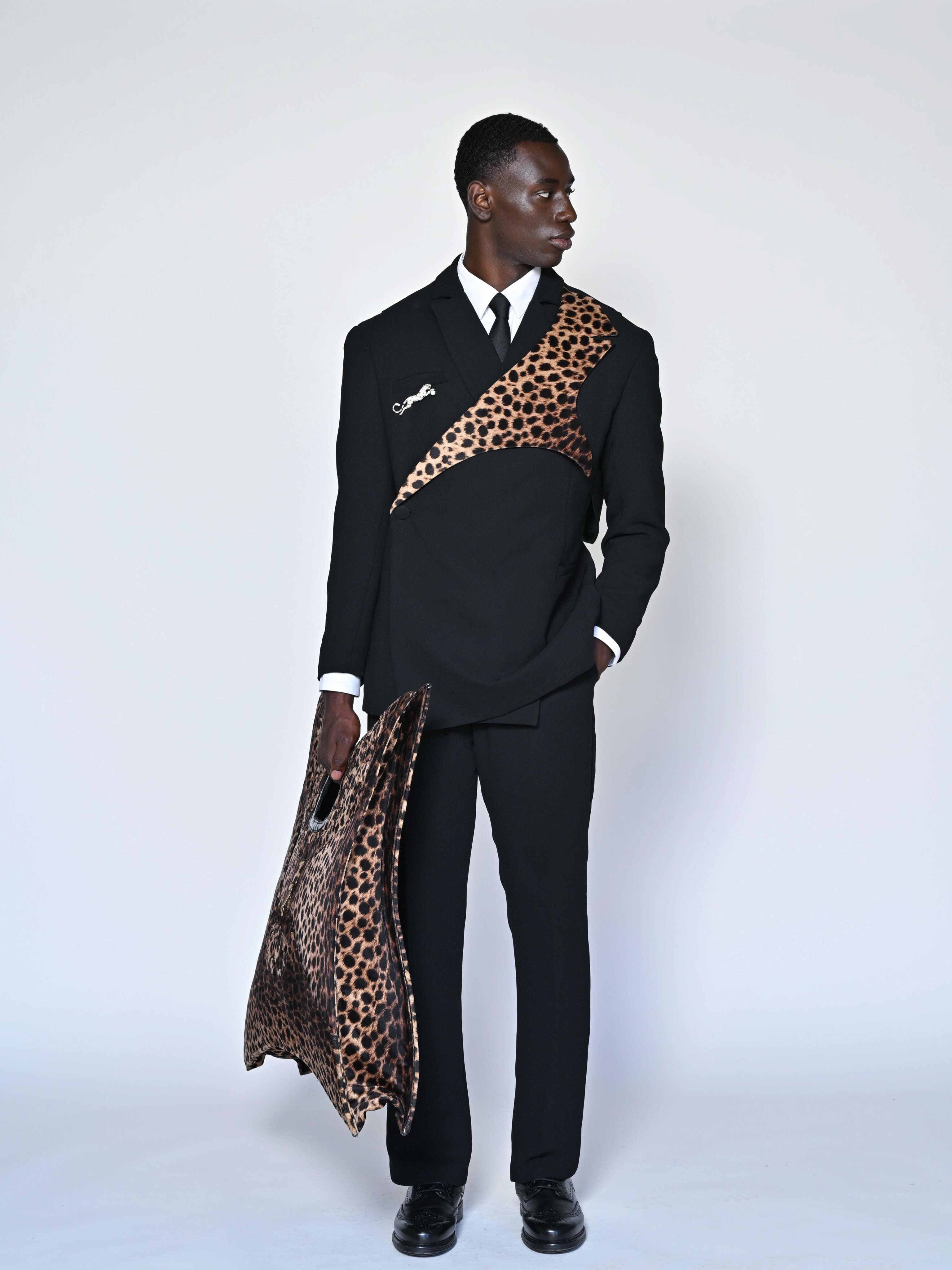
According to Houston Public Media, the DR Congo team arrived in the U.S. on June 11th for the World Cup, choosing Houston as their location for base camp. The DR Congo team players, who are nicknamed “Les Léopards,” which translates to “The Leopards,” came out of the gate donning a classic menswear look. The look consisted of a sharp black suit (which appeared to be double-breasted) with a crisp white shirt, a solid black necktie, and polished black dress shoes.
To give their suited look a bit of flair and pay homage to their team’s symbolic animal, the suit featured an asymmetric leopard-print panel that draped over one shoulder and then crossed diagonally across the chest. As for accessories, DR Congo kept it understated, but truly luxurious.
In keeping with the leopard theme, a leopard-shaped brooch adorned the breast pocket of each player’s suit jacket. The brooch was encrusted with diamonds, and a pearl was placed by the front paws. Perhaps it was a coincidence or a clever detail, but to my eye, the pearl, combined with the leopard brooch, evoked an image of a leopard chasing a soccer ball. (The body of the leopard appeared to be made of gold, or a gold-colored material.)
As traveling athletes, I imagine Les Léopards needed a travel bag to carry their essentials. Instead of relying on a conventional nylon duffel bag, the players opted for something luxe, fashion-forward, spacious, and that matched their ensemble.
As the final key component of their ensemble, the DR Congo players carried a structured, oversized, rectangular travel bag with concave edges and a cutout handle.
What about the color, or the pattern of the bag?
Like the decorative panels on their suits, the bag featured a leopard pattern, transforming a handy travel bag into a bold accessory that complemented their attire perfectly.
The players’ wardrobe and travel bag were designed by Congolese fashion designer Alvin Junior Mak. Mak is the founder and creative director of the Paris-based fashion brand JmakxParis. According to TheGrio, Mak was born in the Democratic Republic of Congo but was raised in Paris.
In a heartfelt statement featured in a BBC video clip, Mak explained that while he is passionate about fashion design, he also hopes that his work will change the perceptions people might have about Africa.
“My goal was to, change the mind or the vision people [have about] Africa, specifically in Congo,” Mak said. “Everytime we [speak] about Congo, it’s like, about Ebola, it’s about the war.”
Alongside DR Congo, there was another African team that caught my eye for having an equally stylish and sophisticated arrival look: the Côte d’Ivoire national football team.
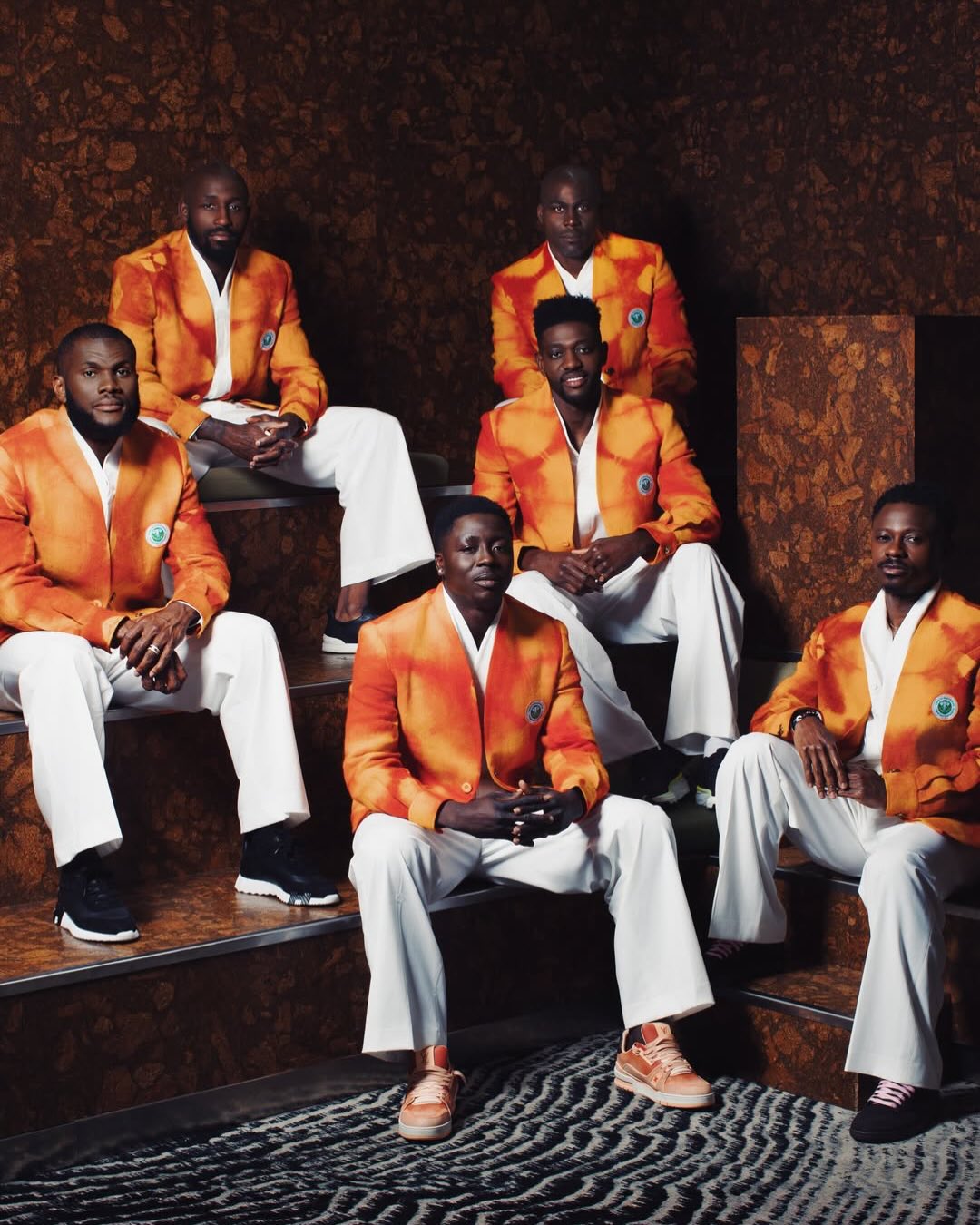
According to the Philadelphia Union website, the Côte d’Ivoire team arrived in the U.S. on June 6, 2026, and selected Philadelphia as their base camp training site.
Like the DR Congo team, the Côte d’Ivoire team, nicknamed “Les Éléphants,” which translates to “The Elephants,” also sported an impeccable, tailored look. (For a country fact, the African elephant is the national animal of Côte d’Ivoire, as stated in an article on EBSCO.)
While the look from DR Congo featured a sleek black-and-white color palette with a touch of leopard print, the look from Côte d’Ivoire was colorful and bright, featuring a different animal as a motif.
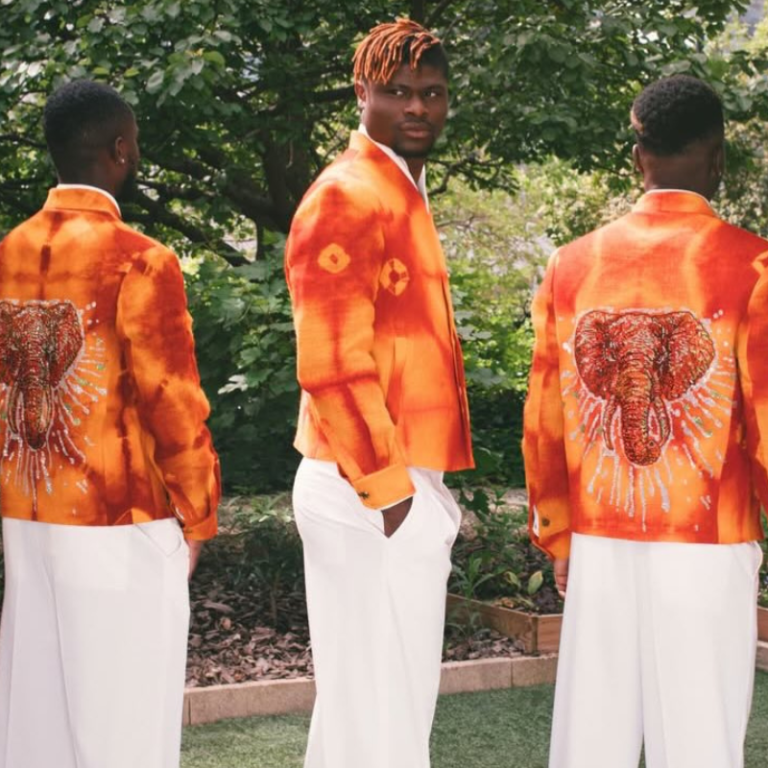
For the top portion of their look, the players from Côte d’Ivoire wore a single-breasted blazer with an artistic orange-and-yellow tie-dye design. When taking a closer look, the blazer appeared to be structured in shape and featured a collarless design, thereby establishing a look that was easygoing yet polished and streamlined.
On the front side of the blazer, there was a small circular patch with an elephant design by the chest area. The blazer featured two buttons, and for a playful twist, copper-colored elephant charms were placed close to the placket (the opposite area that contains the buttonholes). As a dramatic detail, the back of the blazer featured a large, dazzling elephant motif accented with silver-like brushstrokes.
Under their blazers, the players wore white shirts with a subtle wrap-like collar, adding a touch of softness and elegance at the neckline.
Then, for the bottom portion of their look, the players from Côte d’Ivoire paired their vivid blazers with a crisp, straight-fit white trouser. As for their footwear, to project a cool and relaxed feel, the players wore sporty sneakers of their choice.
From my perspective, the colorful blazer, paired with the white shirt and trousers, created an outfit that looked rakish, refined, and balanced. Also, when reflecting on the overall color palette, I’d say that the look exuded a bright, summery feel.
Like the DR Congo players, the Côte d’Ivoire players were also seen carrying travel bags.
Instead of being decorated with an animal pattern, the travel bags carried by the Côte d’Ivoire players were colored a sumptuous light green and came in a structured duffel shape.
Perhaps it was deliberate or strategic, but the colors orange, white, and green paralleled the colors of the Côte d’Ivoire flag. To me, the overall look from the clothing to the travel bag felt very cohesive.
The result was a meaningful and very stylish homage to the country of Côte d’Ivoire.
For their clothing, the Côte d’Ivoire national team turned to local talent, selecting Ivorian designer Ibrahim Fernandez to create their tailored and vibrant ensemble. Fernandez is the designer of his namesake label, Ibrahim Fernandez Couture.
Their light green travel bags were made by the Ivorian luxury accessories brand Aliwax. Alice Gnapa is the founder and general director of the brand.
When reflecting on these two teams, I truly believe that the Les Léopards and Les Éléphants appeared very soigné. Although both teams had different design aesthetics, their ensembles were dapper, well-constructed, and truly captured the spirit of their countries in a stylish, sartorial manner.
All in all, chef’s kiss to both DR Congo and Côte d’Ivoire. Or, in soccer parlance, both teams scored a goal with their “arriving at the World Cup” style. (No red cards from me.)