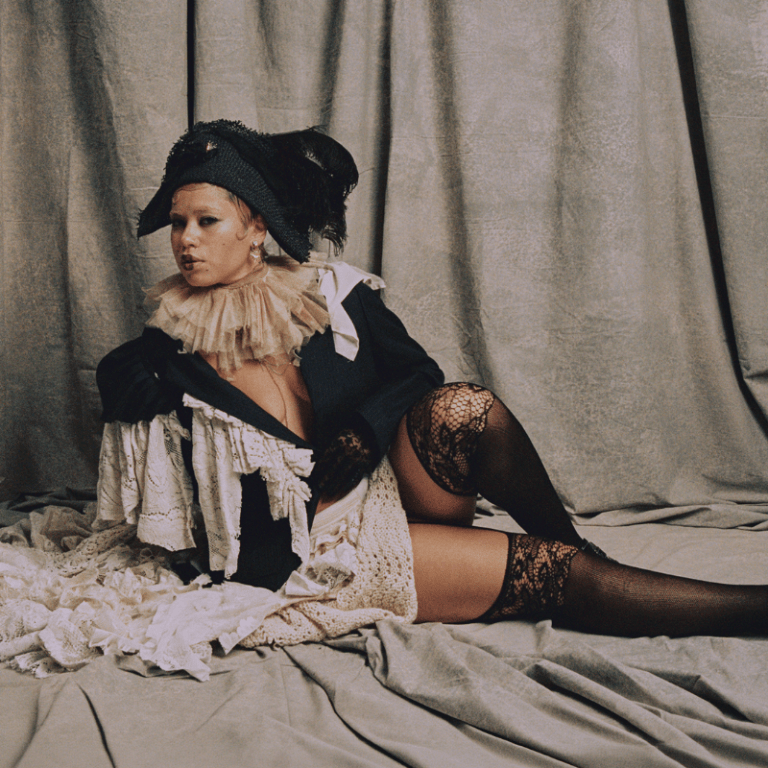

“A lot of this project is about that: being with the ‘death’ moments, the wilting, and realizing they still produce life. That doesn’t mean you abandon the process. I look back at my illness, breakups, loss, and I always feel like I gained life or growth, but you can’t skip the hard part either.”
Claire Rosinkranz

With the release of My Lover, Claire Rosinkranz steps into a new chapter. One rooted in honesty, lived-in emotion, and captivating melodies. In the strange, scroll-bound summer of the pandemic, she became one of those voices you heard everywhere before you even knew who it was. But behind the viral moment is an artist who’s been listening for direction since childhood, balancing discipline, instinct, faith, and artistry.
Rosinkranz hopped on the phone with NYOTA to talk through the realities that shaped My Lover: the uncomfortable comfort at the center of “Chronic,” the recovery that reshaped her relationship to touring, and the visual language she kept returning to while imagining the album: horses, ballet, gardens, and the ocean. Images that hold the same balance of delicacy and strength that runs through the record itself.
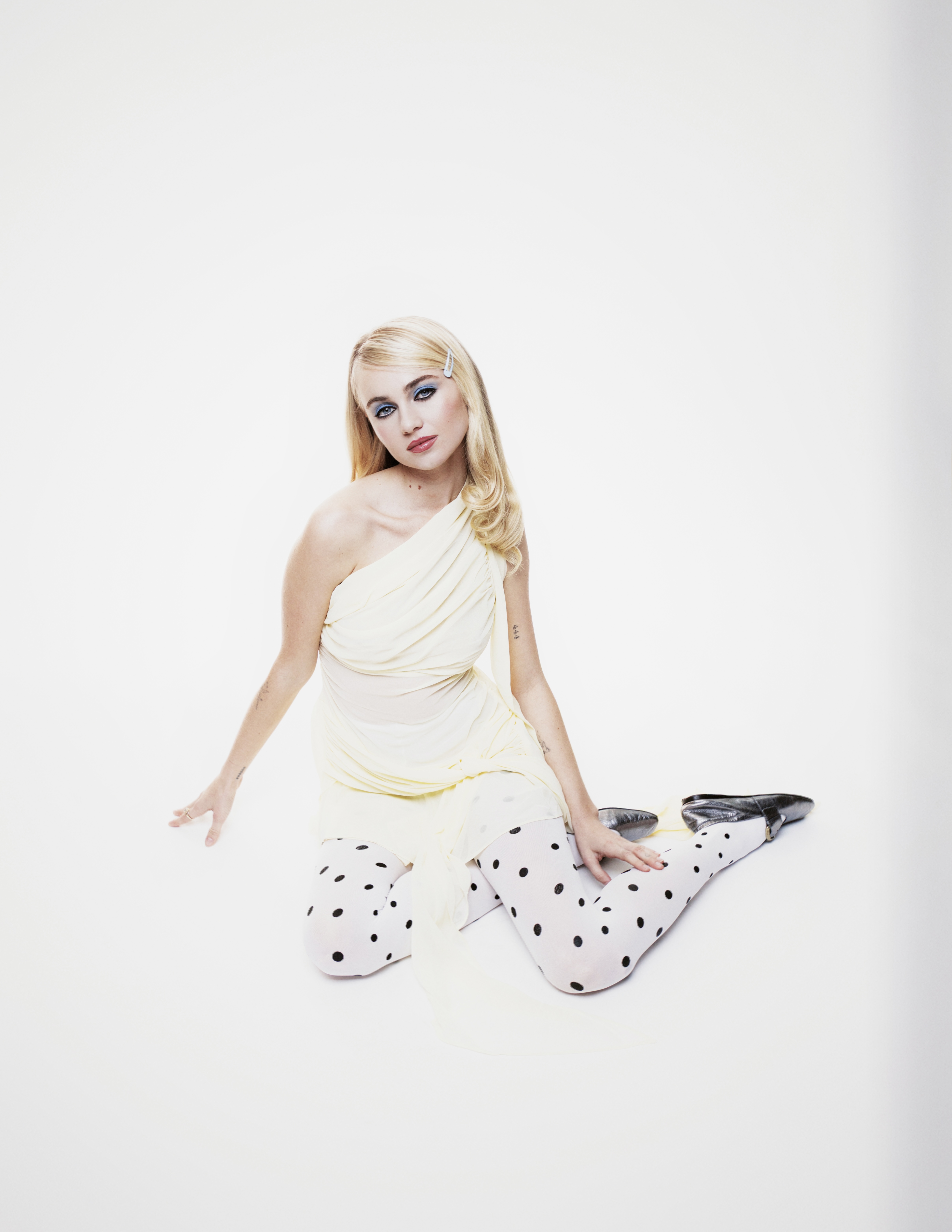
You were on track to pursue dance professionally. When did music start to feel like the main path, and what made you commit to it fully?
I’ve always held this understanding that whatever I’m going to do, I need to be the best at it and put all my energy toward it. I was definitely on track for the ballet thing. When I was 11, my relationship with God was already really important to me. That’s how I make a lot of my music; my faith is at the heartbeat of a lot of my life. I remember being in my cousin’s minivan, just talking to God, that’s how I process. I asked, “God, am I going to do music or dance?” I knew I could do both, but I wanted to know what the North Star was. And I very firmly heard: music. Ever since that moment, that’s been something I look back on to direct me. It’s been at my core. But ballet is still something I want to incorporate into future projects, maybe a show, maybe music videos, shoots, that kind of thing, because I spent so much time in that world. But yeah, at 11 years old, I knew, but I continued dancing for sure.
You became the sound of pandemic summer. What did it feel like watching everything take off on TikTok in real time?
Definitely weird. I was 16, and life wasn’t normal. I remember being quarantined in Oregon with my best friend when my music was blowing up, and I didn’t even know it was blowing up because I had deleted TikTok.
I started getting DMs on Instagram like, “Your song is so good!” People were telling me it was doing really well, and my friends were saying it too, so I downloaded [TikTok] again. I started scrolling, and my song was everywhere; there were hundreds of thousands of videos under the sound, and I was like, “Oh…it’s really doing well.”
It was just really cool. I’ve always had this knowing that this [music] is what I’m going to do. I just didn’t know when. So when it started happening, it was like, “Oh my gosh…I knew, but whoa, this is happening.” At the same time, everything was online, so it almost felt fake, but it wasn’t. I think I only realized it when I played my first show, and I was like, “Okay, this is real.”
What was it like touring with Maroon 5? Was there anything you learned (or unlearned) about what kind of artist you want to be?
Oh my goodness, so much. It was such a crazy, awesome opportunity. Being in those really big rooms was exciting and inspiring, but also challenging in its own way. I had to learn how to operate on a big stage and command a really big audience, especially because it wasn’t my typical audience. It’s also difficult because you can’t really see a lot [up on stage], there are so many people, and the barricade is pretty far from where I was standing. You’re up high, and you’re just looking out [at the audience] like…this is crazy. So learning how to command that size of room and a different demographic was a challenge, but it built a lot of confidence and authority in how I perform.
The tour was also really redeeming, because the tour before that was when I went through a really intense health crash. That’s a big reason I took a break; I was recovering for a long time. So this was redeeming for my stamina, and for seeing that I was at a certain level of strength again. I proved to myself that I could operate in that machine and not be killed by it. That world can eat you up if you’re not taking care of yourself, if you’re not in tune with what you need, being overly intentional about rest and health, and having the right people around you. So I learned a lot internally and externally on that tour.
In one of your earlier tour videos, you talked about the “high” of performing, then going back to a quiet hotel room afterward. Have you found ways to balance that comedown since then?
That transition is still a trip. Even in smaller rooms, it’s a weird dynamic. There’s so much energy, and then all of a sudden you’re quiet by yourself. And when you’re doing show after show, the high is real. Even when I go to a show as a fan, afterward I’m still buzzing. When you’re performing for that many people, and then you go back to your green room, the contrast is so drastic. I don’t know how you make that normal, but I’m not sure I’d want to. It’s fun, it’s euphoric. It really is like a drug, which is why you have to be intentional about taking care of yourself the entire tour: sleeping, eating, all of that.
But the harder transition is getting home after the tour. You have this tour family you wake up with and go to sleep with every day, and they become your whole world. I kind of fall off the face of the earth on tour because there’s so much stimulation. Then you get home, and those people you lived with for months are suddenly not in your everyday life anymore. You’re not moving cities, you’re not performing every night, that part is weird. Seeing people afterward is hard. I have to hibernate. If I find my corner of the world, I’ll get stuck there. So the balance for me is being like, okay, I need to go see some people, but it’s hard to understand that [tour] rhythm if you weren’t there.

When you were putting My Lover together, how did you decide which songs belonged on it? Were you chasing a particular sound or emotional throughline?
Those songs were written over a long period. Some of the songs that made it onto the project weren’t even written with the idea of “Oh, this is going on an album.” A lot of them were just made for fun, and it surprised me that they ended up fitting.
What made it onto the project was what still felt true and honest. I think honest music is what becomes timeless. And that’s hard. My goal now and going forward is to get as honest as I possibly can. It’s hard to be honest with other people, but it’s also hard to be honest with yourself. It takes work to really face how you feel. Even some of the songs from a few years back made it because I got really close to the truth in them. That’s why they still feel timeless to me. “Funeral” and “Home” were some of the earliest ones, and they feel timeless. There were also songs that didn’t make it that could’ve fit, but at the end of the day, it came down to: what do I like? What gives me the most energy? What’s fun?
I also wanted it to be digestible. When albums have too many songs, I personally have a hard time facing it. I’m hoping we can put other things out on a deluxe. I also think about the place I’m in now, my taste, what I’ve been through, and I feel more mature than I did on my last album. I respect and honor that project, but it was a crash course [in comparison]. And it was necessary because it got me here, to a project that I’m really proud of, and it feels more true to who I am.
Which song on the album was the most difficult to write, and what made it hard?
Most of them came really naturally. When I walk into a room, it’s like: what does this time have to offer? I try to be sensitive to the music. For me, God is really important in that, because I don’t want to go somewhere where the music isn’t. I feel like I’m stewarding something that’s already there to create.
I wrote basically all of the music by myself, and then I’d take it to a very small group of people: my dad (Ragnar Rósinkranz), Oliver Frid, and, on some older songs, Eddie Benjamin. Writing alone is vulnerable, and then you have to be careful about who you bring in, people who can create space for what you planted.
It wasn’t “difficult,” but it definitely got emotional. When I was writing “Home” with Eddie, I cried during that session. That time in my life was centered on rebuilding after my sickness. When you get that sick, you lose parts of yourself, you become unrecognizable, and I was recovering from that. Eddie was one of the first people I met in my healing process, and one of the first people I started making music with again. He really wanted to understand [what I was feeling], and he was a good sounding board. That friendship and creative partnership came back into my life in a really healing way.
The song “Home” was about being with someone during that time and feeling like you can’t maintain the relationship because of an external factor. The last line, “’Cause I’m scared I’ll have to lose another thing / I don’t want to take your heart and leave you wondering,” that was real. I felt like I’d lost so much, and I was learning myself again, and I didn’t think I could learn another person at the same time or risk losing another thing.
A lot of this project is about that: being with the “death” moments, the wilting, and realizing they still produce life. That doesn’t mean you abandon the process. I look back at my illness, breakups, loss, and I always feel like I gained life or growth, but you can’t skip the hard part either. So yeah, there were some very personal sessions in making this album.
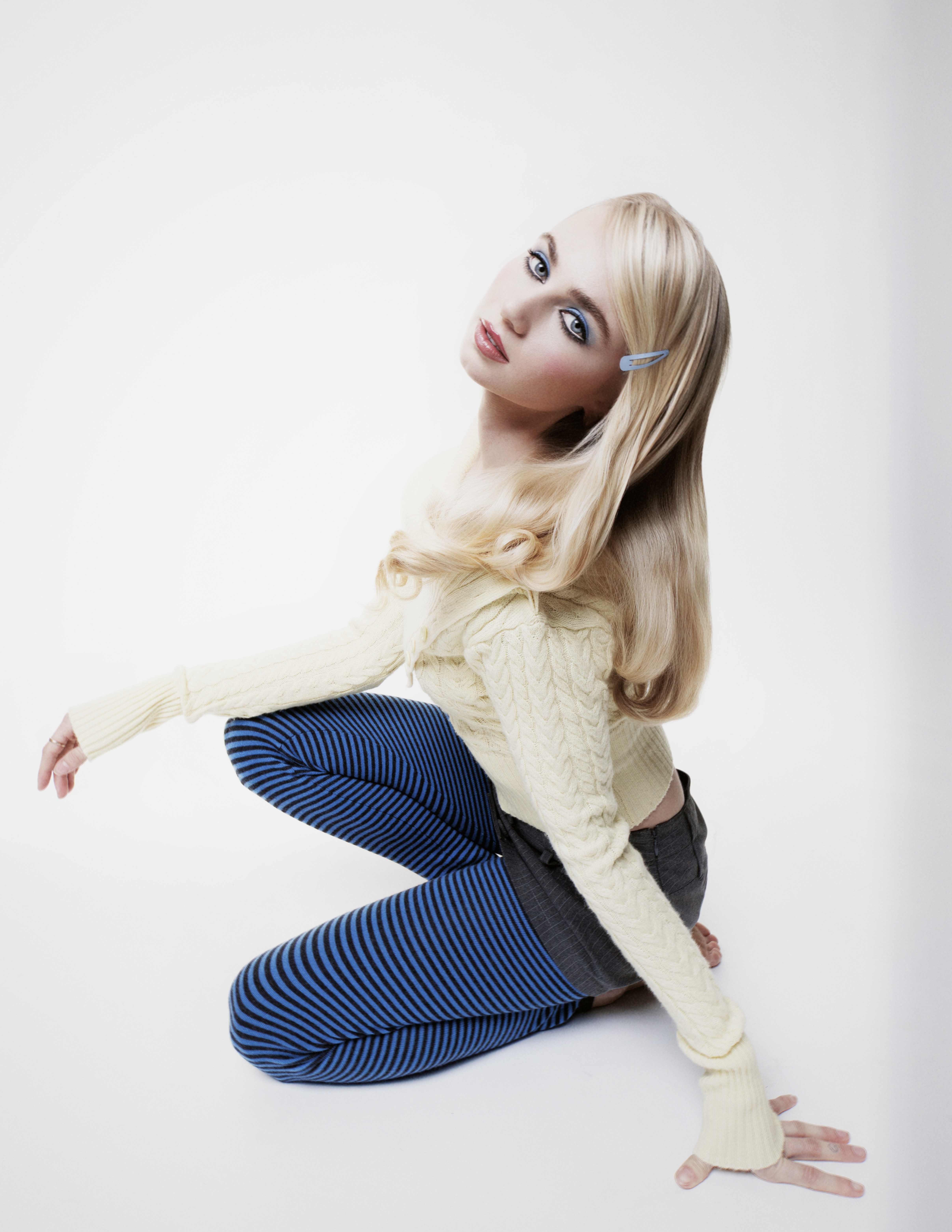
On “Chronic,” you sing, “I wanna feel better, but something about being sick is / Easy, twisted, comfortable.” That line hits. Did those lyrics come quickly, or did you have to wrestle with them? What was the writing process for that song like?
That came really quickly. It’s probably one of my favorite lines on the whole album. It’s very honest, and I don’t know if everyone will understand it unless you’ve had a relationship with something toxic. Because that song can be about chronic illness, but it can also be about a toxic relationship, depression, or any toxic thing.
For me, the chronic illness piece is so persistent. It feels like it’s always after you. You’ll be living your life, and then it’s like, “Hello, I’m still here.” It’s constant, and it’s a horrible reminder. I wrote that song because I needed to capture the feeling. It’s hard to articulate to people who haven’t experienced something like it. You can say, “I’m tired,” or “I need a nap,” but it’s not just that. It’s an energy that drains the hell out of you.
I remember being in a moment of intense fatigue and wanting to be understood by something. And that song rolled out, it just came to me. And the twisted part is…sometimes [the toxic thing] becomes familiar. There are times when you almost expect it, and in a weird way, it can feel “comforting,” even though you hate it. It can pull you into a victim mentality. It’s terrible, it’s a destroyer, but it’s a weird relationship.
The toxic relationship metaphor explains it well. When something is in your life constantly, even if it’s bad for you, when it’s gone, you feel the absence of it like, “Where is this force?” It doesn’t mean it’s good, but it’s confusing and helpless and frustrating. That’s the relationship. And that song makes me feel understood.

The “Chronic” video is visually rich. The horse, the fall from the window, and washing up on the beach, the composer, the dancers, the fabric/sheets around the bed. What symbolism or emotional story were you trying to build in that world?
I worked with a friend of mine who’s a great director, Antony Muse. We talked through the concept of the album first because it’s the only music video from the project. A big visual theme for the album is the garden. Because in a garden, watering, pruning, picking, and uprooting weeds all exist together. It’s life and death, and they can coexist and still be beautiful. That’s how I see a lot of my life and relationships: through death comes life.
For the visuals, I was also thinking about things that feel timeless, physically horses, ballet, dance, and the ocean. They all have that duality. Ballet is delicate, feminine, and beautiful, but it’s also hardcore; you have to be strong. A horse is sensitive and intuitive and beautiful, but it’s also powerful and has authority. The ocean can be gorgeous and sparkling, and then it can also be monstrous and stormy.
That’s how I picture my music, too. There’s the soft, delicate beauty, and then there’s chaos, strength, and authority. I think that’s also who I am: sensitive and intuitive, but strong. So the video, the horse, the ocean, the dancers, it’s a glimpse of the world I want to build across future projects. I think the garden theme will keep showing up across what I do.
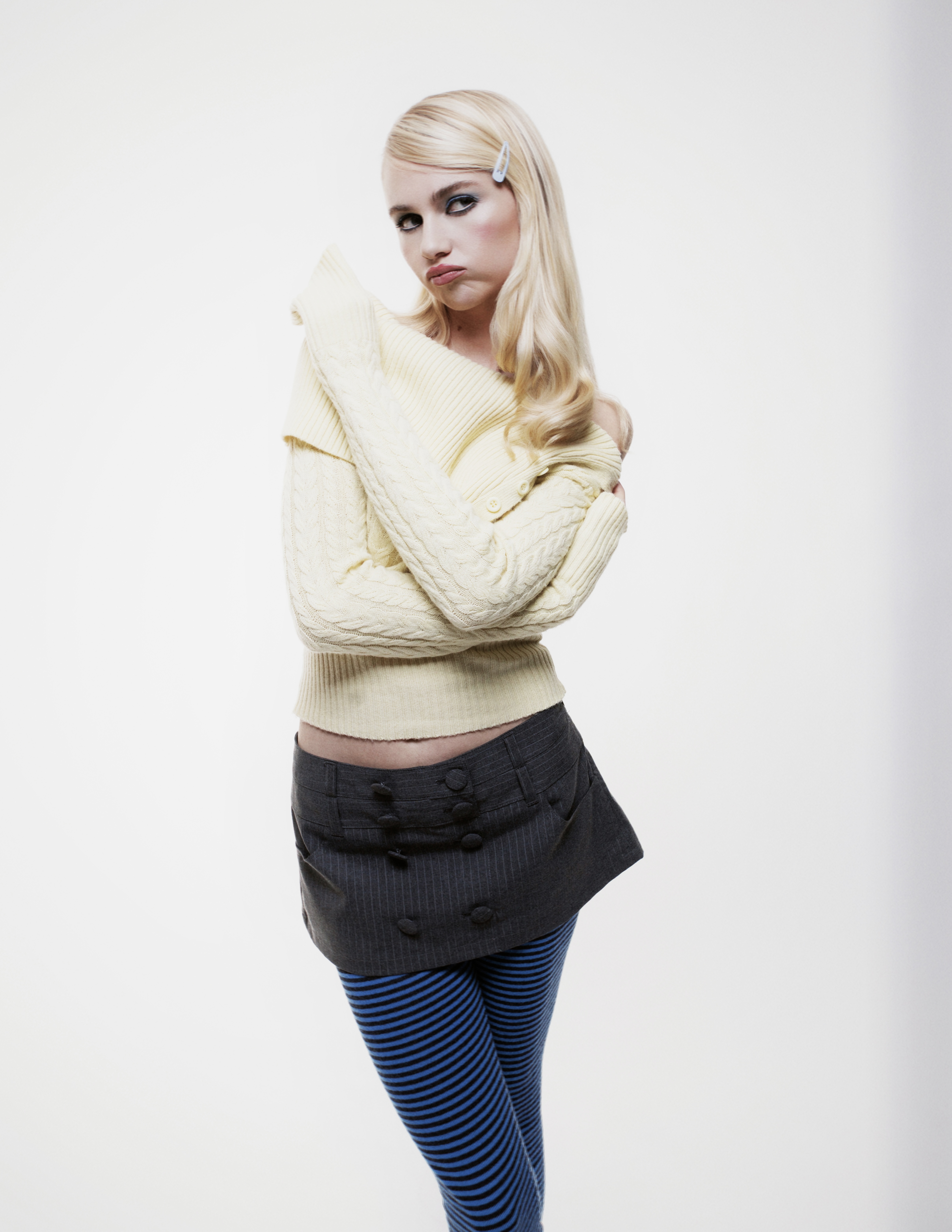
When fans come to this tour, what do you want them to feel walking out? What can fans expect from the show?
Honestly, this is the first project I’m not sick of by the time I release it. And I think I’m going to feel that way when I perform it, too, so I’m really excited. Going forward, I want to be more intentional about everything. There’s still a lot of freedom and fun; it feels whimsical to me, but I want to build out my world further and make it an experience. That’s the difference between what I’m doing now and what I did before. I’m thankful for the past because it was a crash course, and I couldn’t get here without it. But now there’s a vision I’m excited to keep executing on this tour and in future projects.

The “My Lover” Tour kicks off on April 28th. Get tickets here
Production Credits
Photographer: Jamie Pearl
MUA: Sareen Bhojwani – Hourglass Cosmetics
Hair: Julia Elena
Stylist: Danny Colon
Videographer: Kate Cummings
Lighting: Jackson Chihuly
Photographer Assistant: Sidney Mazza
Stylist Assistant: KateLynn Herrera
![Manasseh Drops ‘R&B[eyond],’ an Ode to His Younger Self and a Celebration of the Expansive Nature of Music](https://nyotamagazine.com/wp-content/uploads/sites/28/2026/09/NYOTA-FEATURE-IMAGES-NEW.png?resize=768,768 "NYOTA FEATURE IMAGES NEW")