
Words by Grace Kinter
Last December, during a frigid night in Brooklyn, my long-distance bestie and I had a night for the books. We bar-hopped to multiple places, collecting new queer friends at each spot. Though many topics were discussed, it felt like every conversation unabashedly led to the same topic: Heated Rivalry. The fervor for this new Canadian hockey show was undeniable and grew with each episode, with the show’s finale charting an increase in viewership of over 300% since the premiere. I’ve watched Heated Rivalry probably three times since I was introduced, and it had me wondering: What is it about Heated Rivalry that just got it so right? After much analysis from me and my friends’ non-expert opinions, I think it boils down to timing, hope-core, and great acting.
Television has a long history of unlikable characters being the main focus of the show. Think Hannah from Girls, Carrie from Sex and the City (even though that’s a tough one for me to admit), and Piper from Orange is the New Black. This can be a powerful tool for great writing, POV, and character development. As viewers, we don’t have to feel like we’d be best friends with the main character to enjoy the show. And it can even be fun to walk that fine line between love and hate, frustration and resonance. But in the current climate of doom-scrolling our way through what feels like the fall of our democracy, I wonder if our capacity to absorb entertainment has changed. Bad news inundates us constantly. The pandemic shifted our culture; how we go about our day-to-day, how we work, how we connect. When I sit in front of my TV, now more than ever, I want to escape and find myself somewhere nice.
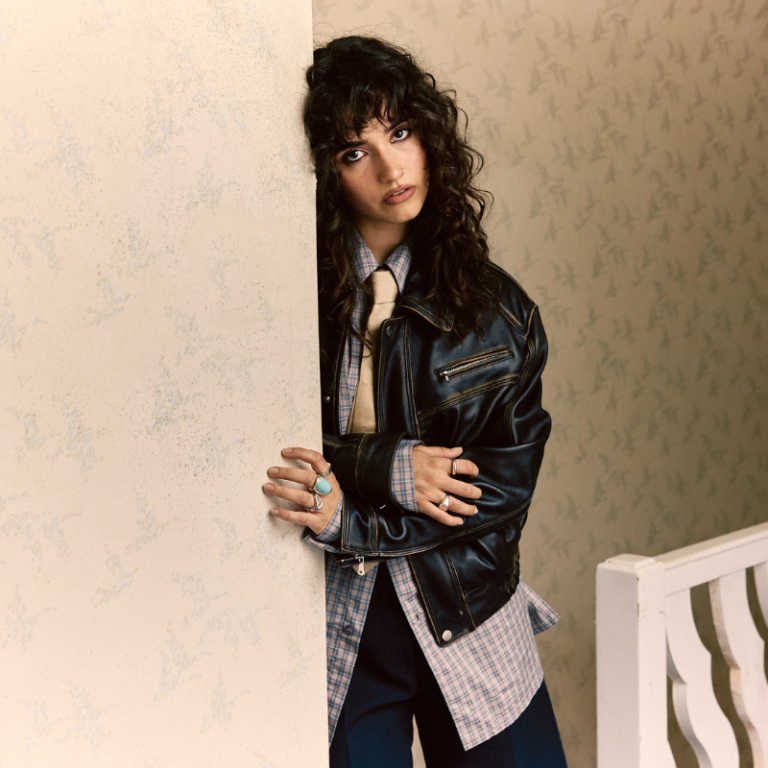
Let’s look at another show that came out at the same time as Heated Rivalry: Rachel Sennott’s I Love LA. The show couldn’t be more timely, highlighting the hustle and bustle of LA transplants trying to make it in entertainment. While the show has sharp humor, I struggled to find one character that I could relate to or root for. I know LA is flooded with influencers and nepo babies, but their stories aren’t really the ones I want to hear right now. What about the people who were here before them, watching them take over? Or the people who don’t subscribe to the constantly changing culture of entertainment, trends, and social media? Rachel Sennott has always been comedic gold to me, but I felt I Love LA fell a bit flat.
In a world of I Love LA, I think people need more Heated Rivalry. We need love that has a happy ending despite all odds. We need queer love that doesn’t have to be earned after stomach-churning violence and trauma. We need the normalization of tender, vulnerable, and sensual masculinity where consent and conversation can make for hotter, better sex. We need spice and steam that doesn’t twist and turn into something that triggers us, scares us, or reminds us of the looming darkness out there. We need the excitement of an encounter at the gym turning into a whirlwind romance, only for our phone to ding with a disappointing hinge notification. We need some joy. We need a few wins.
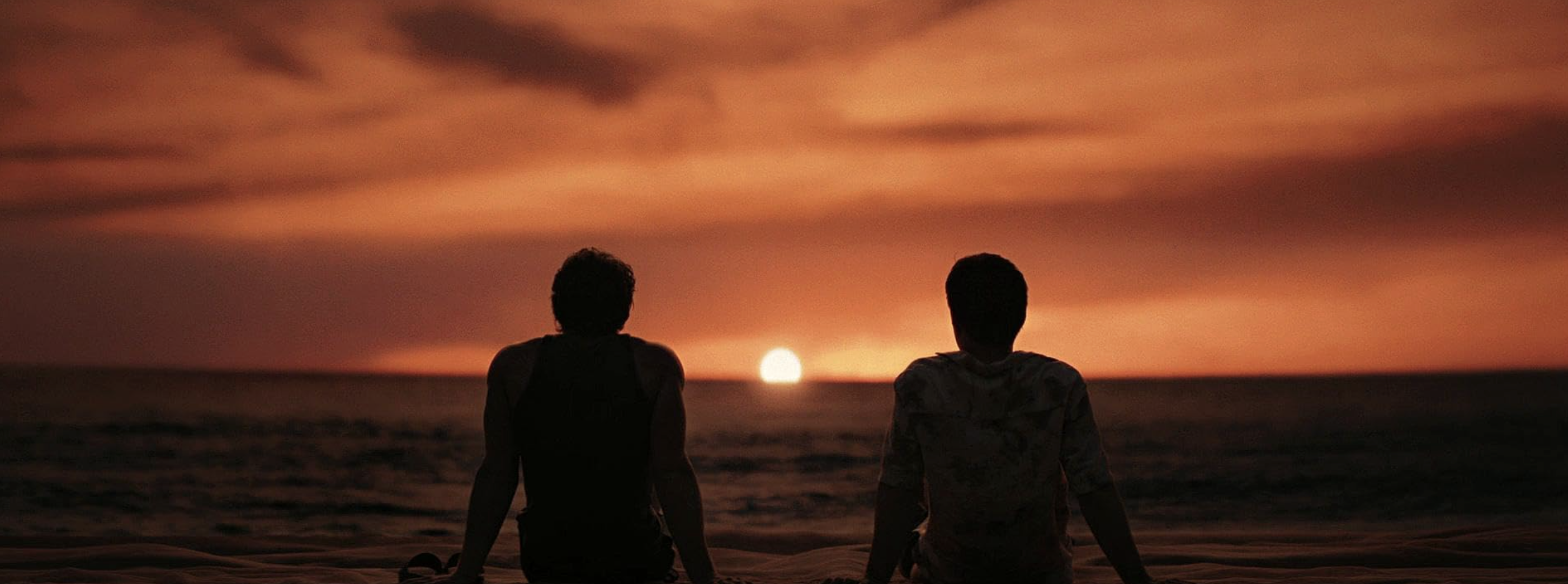
It isn’t just that Heated Rivalry dropped at the perfect time for our yearning collective. The two leads offer a masterclass in acting, and to my point above, you can’t help but root for both of their characters. Hudson Williams plays Shane Hollander, the awkward, closeted hockey prodigy from a supportive, kind home. Shane starts from a place of quiet, coy nervousness but grows into someone brave and sure of himself. It’s his earnest declaration of love at the end of the season that acts as a catalyst for our happy ending. Connor Storrie plays Ilya Rozanov and executes both the tough guy act and the Russian accent flawlessly. Ilya slowly unravels so beautifully (and thankfully) right into Shane’s surrender, showing us the complicated role family and culture can play in shaping how we love, whom we love, and our sense of worth. Throughout the season, both boys turn to men in a way we aren’t used to seeing depicted. They talk about their feelings, ask for what they need, and are rewarded with each other, leaning into the thing they both felt they needed to hide.
I truly can’t wait to see these stars continue to wow the world, and my loyalty and protective energy towards their Heated Rivalry characters is a testament to the show’s cultural impact. I, along with a swarm of fans and stans, would die for these fictional boys. If that doesn’t signify that a show is a true “hit,” I don’t know what does. Now, if only we didn’t have to wait until 2027 to see life after the cottage.