
Seattle-raised, Montreal-shaped artist Anna Justen writes songs that are intimate, poetic, and slightly haunted by the spaces they came from. With her debut album “MiCHOU’s DREAM” released earlier this year, Justen reflects on her creative process, her evolving sound, and the peace she’s found in revisiting childhood memories through music. Speaking from Brooklyn between studio sessions, she talks about growing into her voice, resisting creative pressure, and the bittersweet world she hopes her music will always live in.
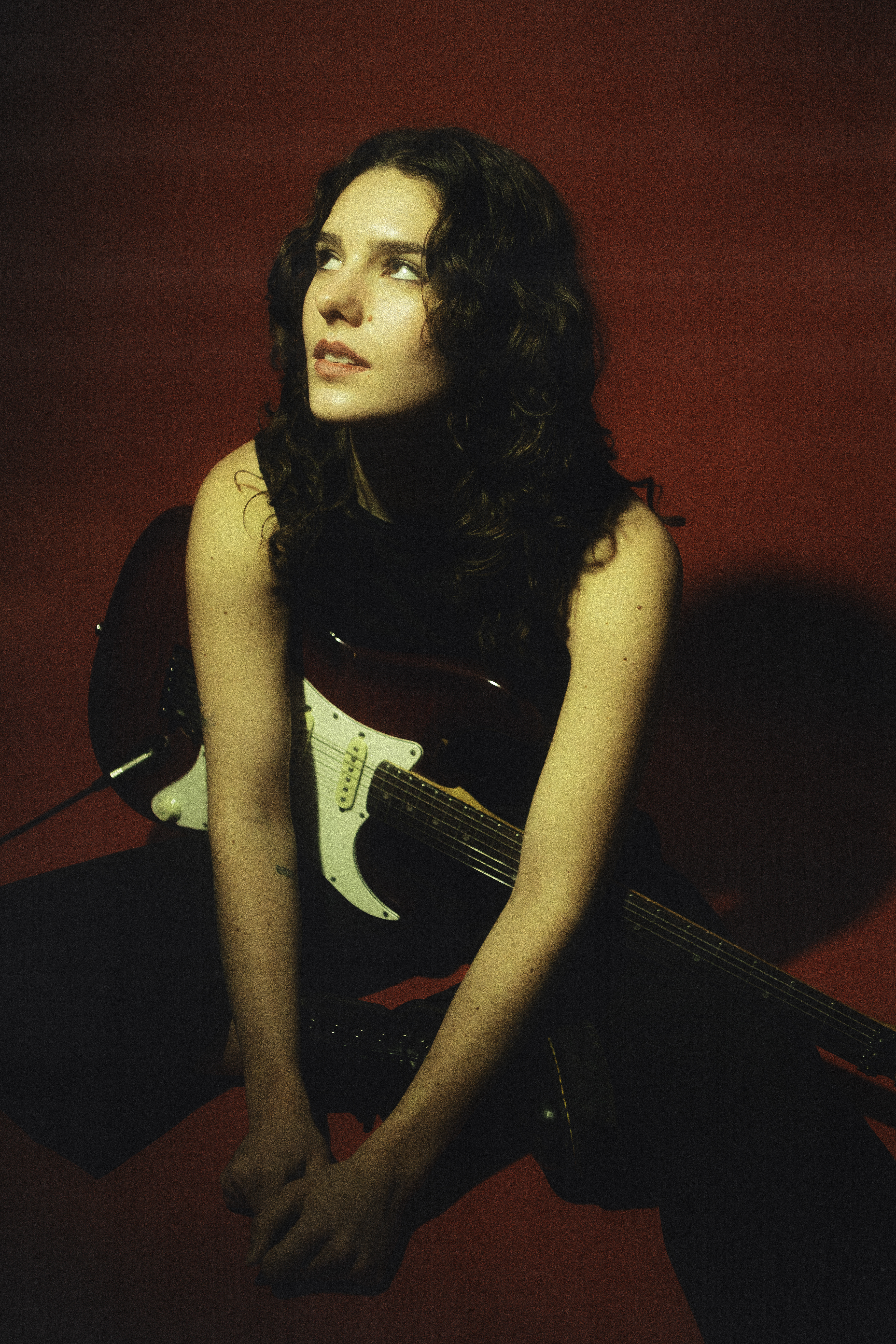
For readers who might be discovering you for the first time — how do you describe who you are, both as a person and as an artist?
I’m Anna Justen. I grew up in Seattle, Washington, and spent six years living in Montreal, where I started making music. I’ve been shaped a lot by both the Pacific Northwest and the Northeast. I’ve been putting out music for about five years now. My work is indie folk singer-songwriter at the core, but there’s this glitchy, grungy, experimental through-line that’s always present. Even as my songwriting changes, I think that part of my sound will stay.
When did music first enter your life in a real way? Was there a turning point where it shifted from something you loved to something you had to do?
It was always part of my life in some capacity, but the real shift happened during my first year of university in Montreal. It was a couple weeks after I had moved and I remember sitting alone, playing guitar, and suddenly picturing myself at 80 years old having never pursued music — and feeling like I’d wasted my life and time here on earth. That vision shook me. From that moment on, I decided I had to give everything to it, even though I didn’t know exactly what I was doing. That was the turning point.
Last year, you mentioned being deeply inspired by artists like Saya Gray, James Blake, Bon Iver, Rosalía, and Stromae — musicians who play with sound and build entire worlds around their work. Has that list evolved at all since then? Who or what is shaping your sound and vision now?
I haven’t been deep-diving into specific artists lately — more so individual songs that move me. But Rosalía continues to inspire me in a big way. It’s not just her sound, it’s her entire approach to music as an art form. She treats it as something boundless, and that really pushes me. Outside of music, I’ve been reading a lot and finding inspiration in the current political climate. The state of the world — especially in the U.S. — has been hard to ignore, and it’s one of the only things I’ve been able to write about recently. That energy will definitely influence my future work.
Your debut album, released in May marks a huge milestone. What does that project represent for you personally? Were there certain ideas, emotions, or chapters of life you wanted to capture in it?
The album, MiCHOU’s DREAM, is a collection of songs I’ve written over the past six years. While the individual songs explore different themes, the project as a whole reflects my childhood and finding peace with it. “Peppermint” is the most direct example of that. Michou was my childhood cat, and the album title comes from what I imagine his dream would be for my family — talking about what happened and finding peace in the turmoil. Even though the songs reach beyond that theme, the project also represents my time in Montreal. I just moved out recently, and this album feels like a full circle moment, like, an encapsulation of those years and how they shaped me.
Everyone’s creative process looks different. For you, how does a song usually begin — with a lyric, a feeling, a sound? And when do you know it’s finished?
It really depends. Sometimes a lyric or melody just loops in my head while I’m walking or doing something mundane, and I build from there. Other times, it starts with me sitting down with my guitar and letting my voice go wherever it wants. As for knowing when it’s done — it’s completely instinctual. I don’t second-guess melodies or overthink them. I trust that whatever comes out of me is coming from somewhere beyond me. The more I try to “fix” things with my brain, the more I take away from what’s special. So, it’s about trusting that gut feeling when something feels right.
Now that your debut is out in the world, how has your relationship with music evolved? Do you feel a sense of closure from it, or has it opened up new questions you want to explore?
Releasing the album gave me a new sense of legitimacy — both to others and to myself. Finishing such a big project reminded me that I’m capable of seeing something that big through, and that I love doing it. That said, I’ve had to resist the urge to police my new work based on people’s feedback. A lot of listeners have told me which song is their favorite and that I should make more like it. It’s tempting to chase that, but I’m trying to stay true to what feels real. That’s why I look up to someone like Rosalía — she constantly reinvents herself without letting people’s expectations control her. That’s the kind of freedom I want to protect.
As an indie artist navigating today’s music industry, you once offered the tip: “Don’t be afraid to ask for help…you can’t succeed as an island.” In practical terms, what are the biggest three things you ask for help with when it comes to music creation and being an independent artist in general?
Production, for sure. I love being hands-on and usually start the song myself or edit my own work, but I don’t have the mixing skills to get everything to the level I want. Collaborating with other producers not only improves the sound — it makes the process more fun. The second thing is video work. For the album, a small team helped me shoot all the visuals completely for free, which was so generous and special. And the third is just advice. I constantly ask other artists questions — how they got certain opportunities, what worked for them. That exchange builds community. Asking for help and sharing knowledge is such an important part of being an independent artist.
Looking ahead, what kind of world do you want your music to live in? What do you hope listeners take with them after hearing your work, and where do you see your sound growing next?
I want my music to exist in a space that feels bittersweet and nostalgic — almost to the point of being slightly sickening. It’s hard to describe, but it’s that ache you get when something feels both comforting and haunting. That’s the feeling I gravitate toward in the music I love, and I think it’s the thread that will keep running through everything I make. As for what’s next, I’m planning to release an EP in fall 2026, along with some singles and videos. That project is very personal — it’s me letting go of an old relationship. After that, I’ll be diving into a more conceptual album that I’m already researching and writing for. I also have a show coming up in Seattle on January 16th and am hoping to tour in the next year.
This story first ran in NYOTA’s Music issue. Read more from the issue here and purchase a print copy here.