

Singer-songwriter Ayoni is, as she puts it, a citizen of the world. Her experiences living everywhere from Miami to Jakarta have exposed her to a wide range of genres and styles that continue to shape her sound today. She spoke to NYOTA about her album ISOLA, her advice for aspiring musicians, and the joy of discovering which songs resonate most with her audience.
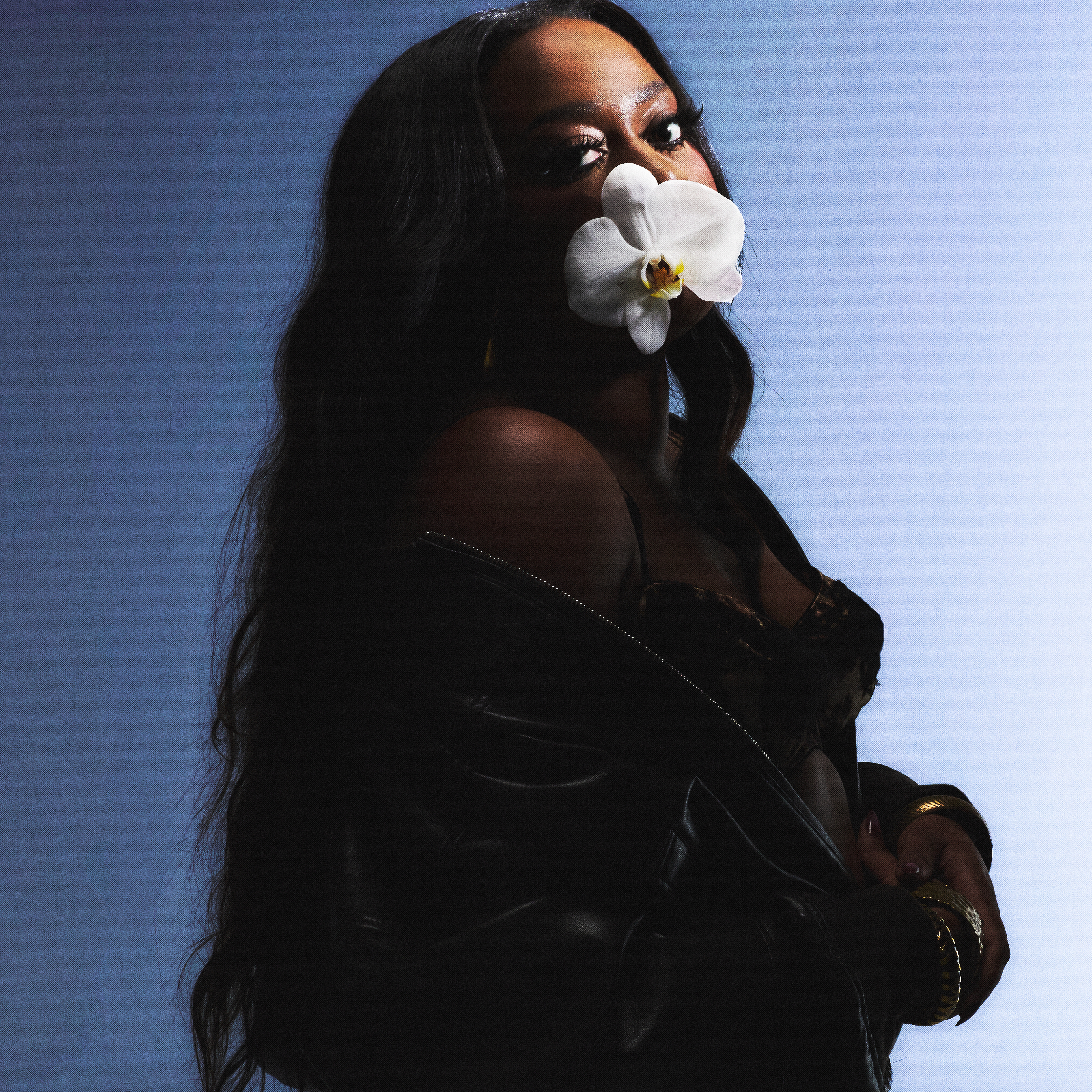
You’re from Barbados but have also lived in Singapore, Jakarta, Miami, and the Bay Area—which of these places has most influenced your current sound?
I would say all equally and add the UK as a region that has also been very influential in my development. I think Jakarta introduced me to dance music, Miami introduced me to gospel and worship, the Bay brought me into my love of folk and indie music, and I am still looking forward to spending more time in Barbados and seeing how I can weave the Bajan sound into my love of pop music. Because I left Barbados so young, I recontextualised myself as a citizen of the world. I struggled a lot as a child with my identity, but now I truly love how much travel brings me new sounds and rhythms to explore. I think my current sound is finding a way to stay true to all that I am in a cohesive way.
Earlier this year, you joined the band MICHELLE for their East Coast/Midwest Tour, opening for them all over the country and Canada. What was your favorite part about touring?
I had the best time on stage every night of that tour. Tour was challenging in a new way, but I loved playing dress-up every night and getting to grow so much on stage. I also got to travel the country with my best friends. Shoutout MICHELLE for the unforgettable opportunity!
From what I’ve seen in interviews, your musical education is incredibly expansive: from your degree at the University of Southern California’s Thornton School of Music, to your participation in Alicia Keys’ songwriting program, to even taking piano lessons and writing as a child. What is your philosophy when it comes to learning music, and how does that play into your creative process?
I think humility is key. Bajan culture is very education-forward, and coming from parents with bachelor’s and master’s degrees, I knew whatever I did in life, I was expected to value doing it well. I think being from a place where nobody is bigger than the program is also super helpful. I always say Bajans are not celebrity worshippers, so being able to appreciate education without making the teacher God has also helped me to hold perspective. As I continue to learn, I’ve started teaching, and that has been my greatest joy and love this year.
Music has been important to you throughout your life. Is there an alternate universe where you might not have pursued a music career? If so, what would you have done instead?
1000%. I waited until the last second to admit I really wanted to pursue music full-time. I actually applied and was accepted to study psychology and international relations at a couple of other universities in addition to my music school applications, but ultimately, music is the course I accepted.
You said in the past that you enjoy “testing” music with audiences to see what material resonates most. Is there any song that you “tested” with an audience that surprised you in how it resonated with audiences?
Several off this album. “San Francisco” is the song I was harassed to drop, so I’m always so happy to play it live now that it’s out. “2” is also a crowd favorite, which I love. It works super well with first-time audiences. Most of the album I have never played live, so I’m excited to see the reception post-release.
You’ve described your most recent album, ISOLA, as a journey of establishing yourself throughout your early twenties. If you could give anybody in their twenties any piece of advice, what would it be?
Embrace you. Be your best and first friend. Be curious about the world around you. Hug your people so close! Have fun!! Kiss the chaos!!
My favorite aspect of ISOLA is that each song is its own story, revealing different stages of your path to self-love. What was the process of planning this album to ensure it conveyed your story of self-actualization and had the style and tone you wanted?
My biggest intention was just for it to make sense. I saw this as a timeless classic and origin story, so the sequence is a huge part of that. I wanted to also keep it as genreless and free as my first EP, Iridescent. ISOLA‘s little sister. A nod to my multifaceted self and soul. Going back to the albums I grew up on, like 21, For Emma Forever Ago, early The Script, and Rihanna’s work felt like the perfect blend of who I am.
What is your advice for aspiring musicians?
Stay true! Always stay true to your essence. Fight like hell to preserve that. Also surround yourself with good people who actually care about your mental health and physical health. Nothing beats compassion.
This story first ran in NYOTA’s Music issue. Read more from the issue here and purchase a print copy here.

![Manasseh Drops ‘R&B[eyond],’ an Ode to His Younger Self and a Celebration of the Expansive Nature of Music](https://nyotamagazine.com/wp-content/uploads/sites/28/2026/09/NYOTA-FEATURE-IMAGES-NEW.png?resize=768,768 "NYOTA FEATURE IMAGES NEW")