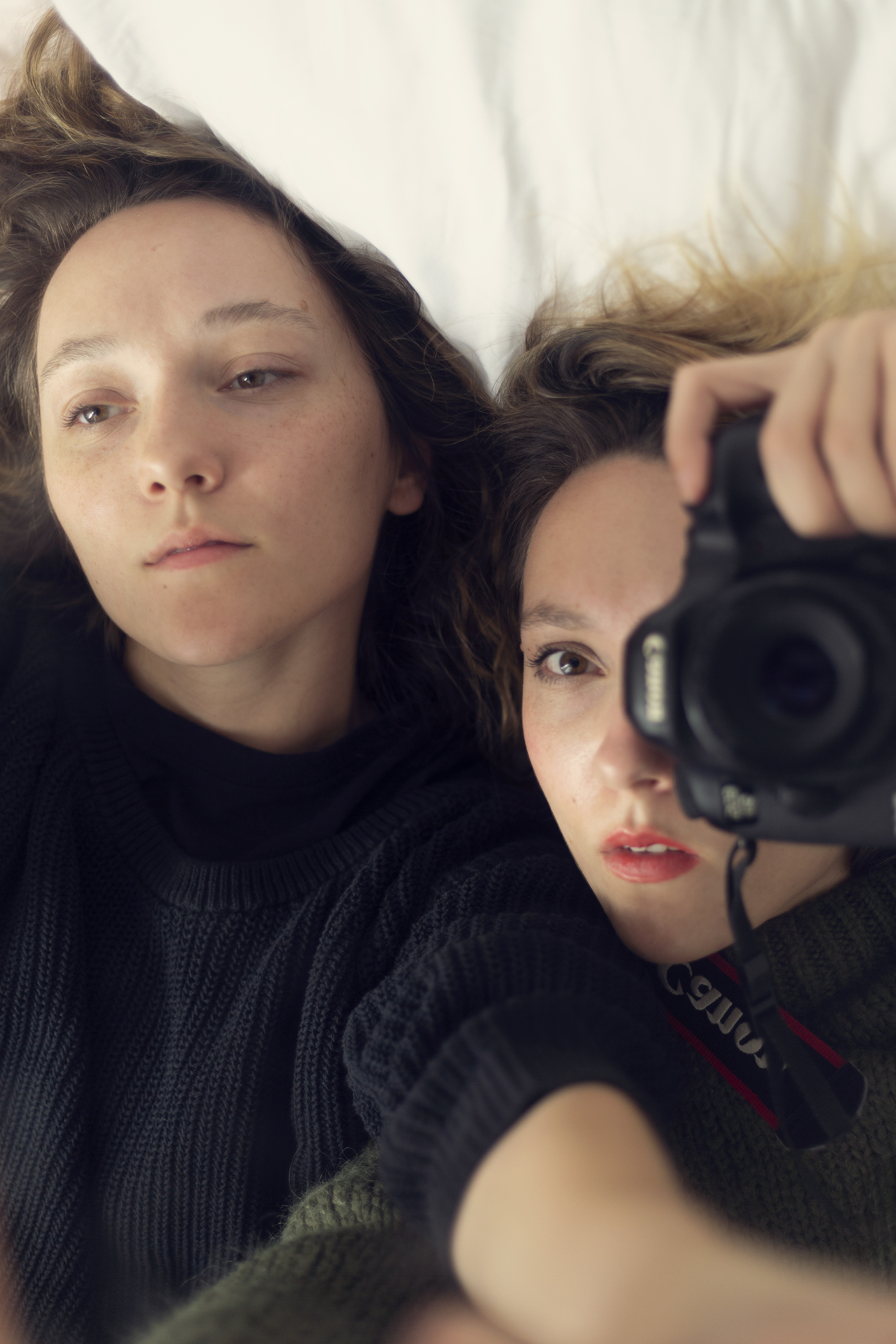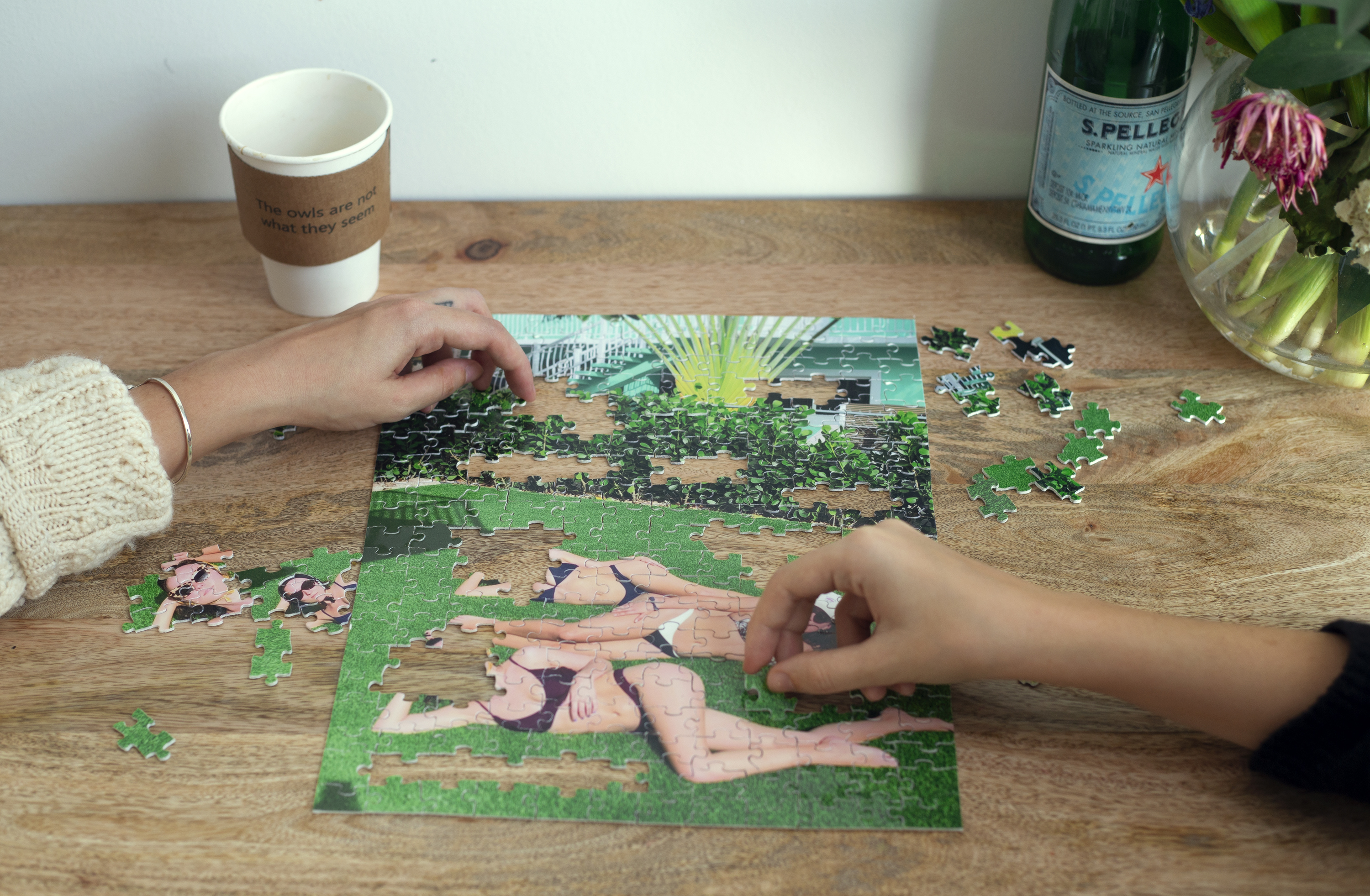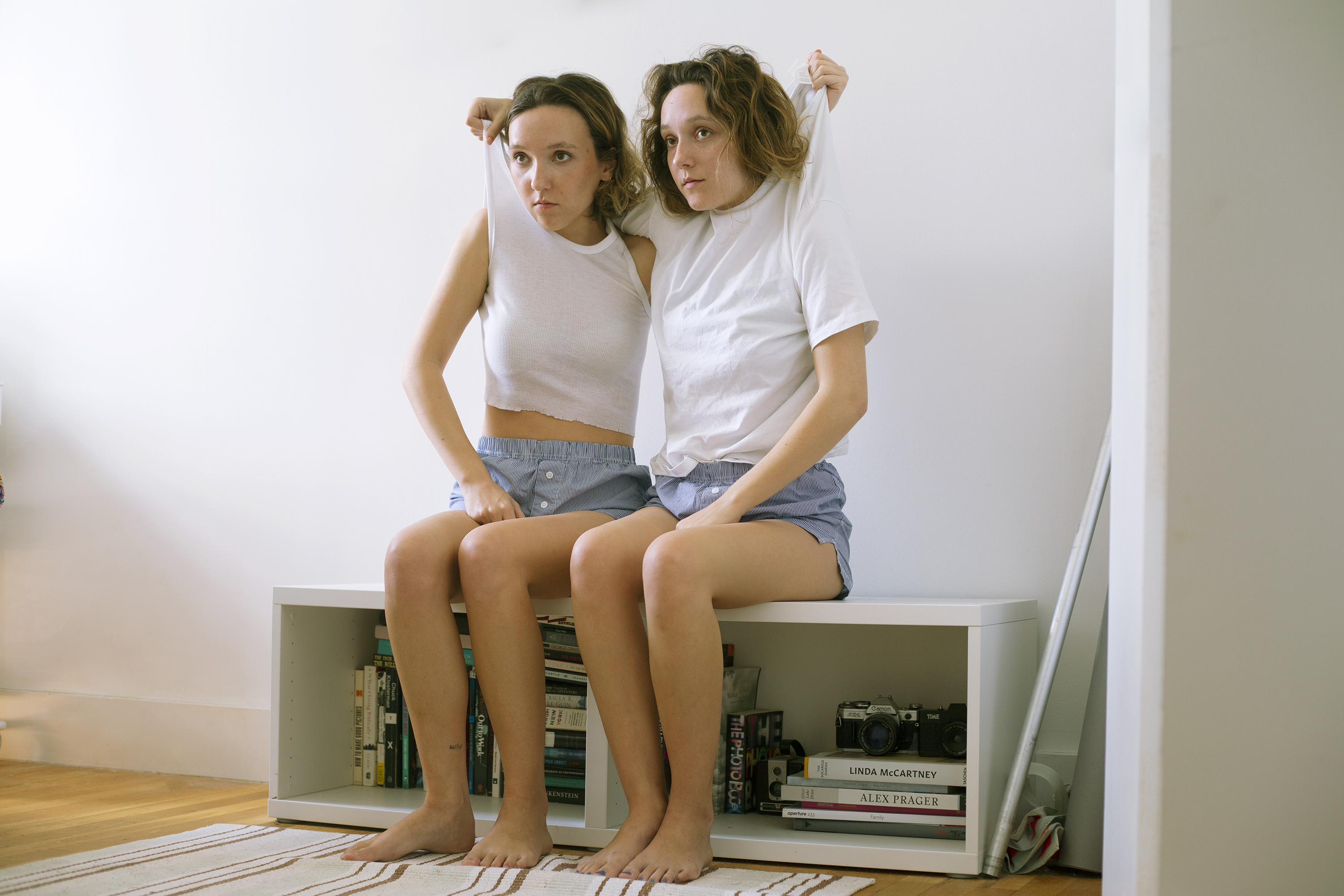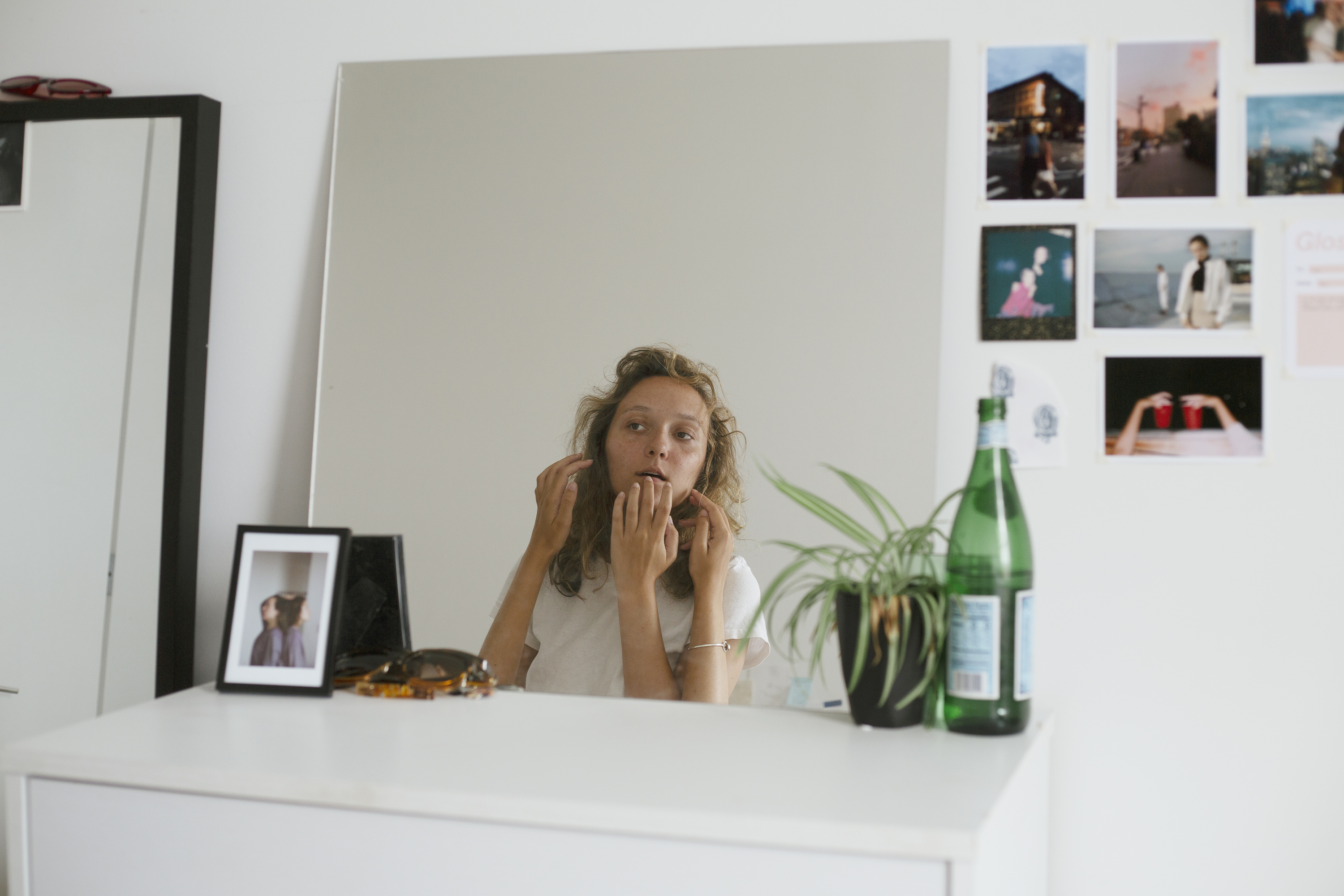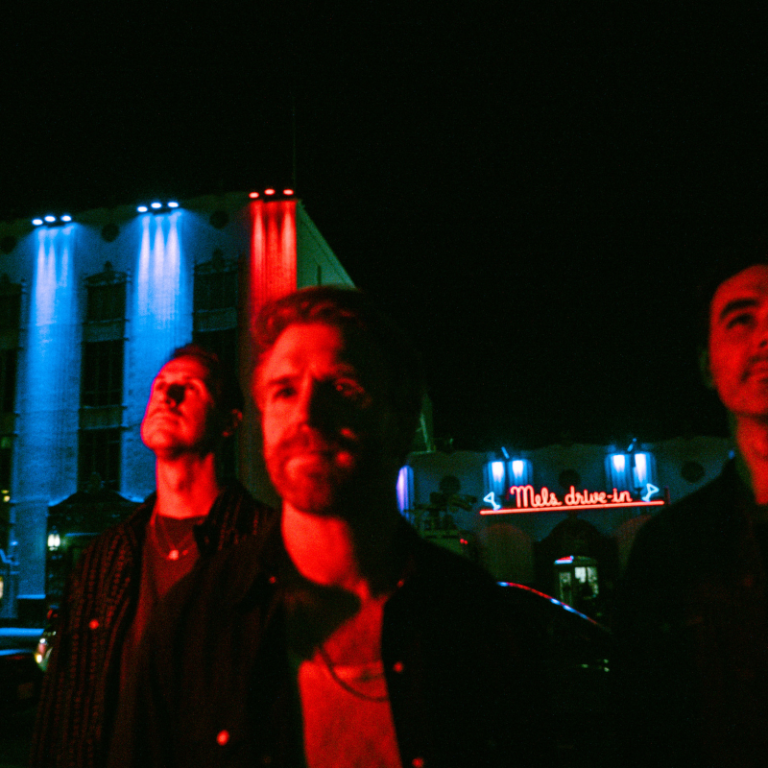

Getting her first camera at 17 changed the trajectory of Ava Williams’ life. Now a full-time photographer and retoucher, she documents her days in Brooklyn with a keen eye, finding beauty in simple moments. Williams spoke with NYOTA about her photo series “The Twins” and being inspired by Stephen Shore and Linda McCartney.
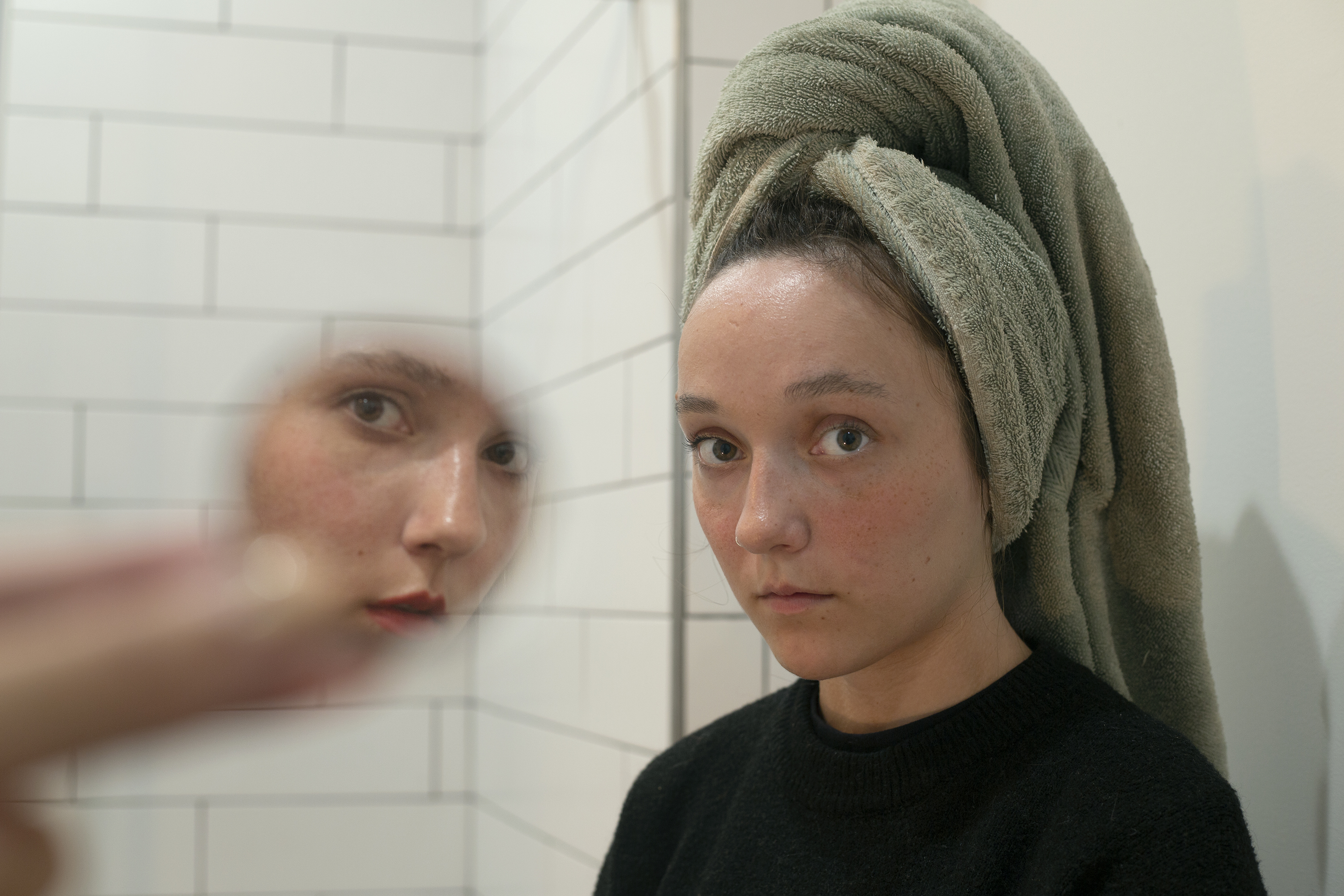
When did you get your first camera, and was there a certain photo you took that sparked your passion and made you want to dive deeper into photography?
I didn’t get my first camera until I was 17, so in that regard, I have always felt like a late bloomer. I didn’t consider photography as a career path until I took a film photography class in high school. For most of my schooling, I had the desire to be a math teacher. Then one day in the darkroom, I just decided this was it for me. I was not particularly good; I was actually terrible if I really think about the images. But we all start somewhere, and that was my somewhere.
Have you always been primarily interested in photographing people versus places or things?
I would say I am most interested in the relationships we form with other people. There is something beneath the surface of an intimate relationship that I love capturing. But I also use photography as a diary of sorts, and a way to remember. I just recently photographed my grandmother’s house. She passed away almost a year ago, and the house is going to be torn down. I spent so much time there, I don’t want it to feel like a distant memory. I want to go back to it whenever I can. Hear her voice. See her chair. Maybe that’s still a portrait of a person now that I write it out. I just want to photograph everything. I want to remember it all.
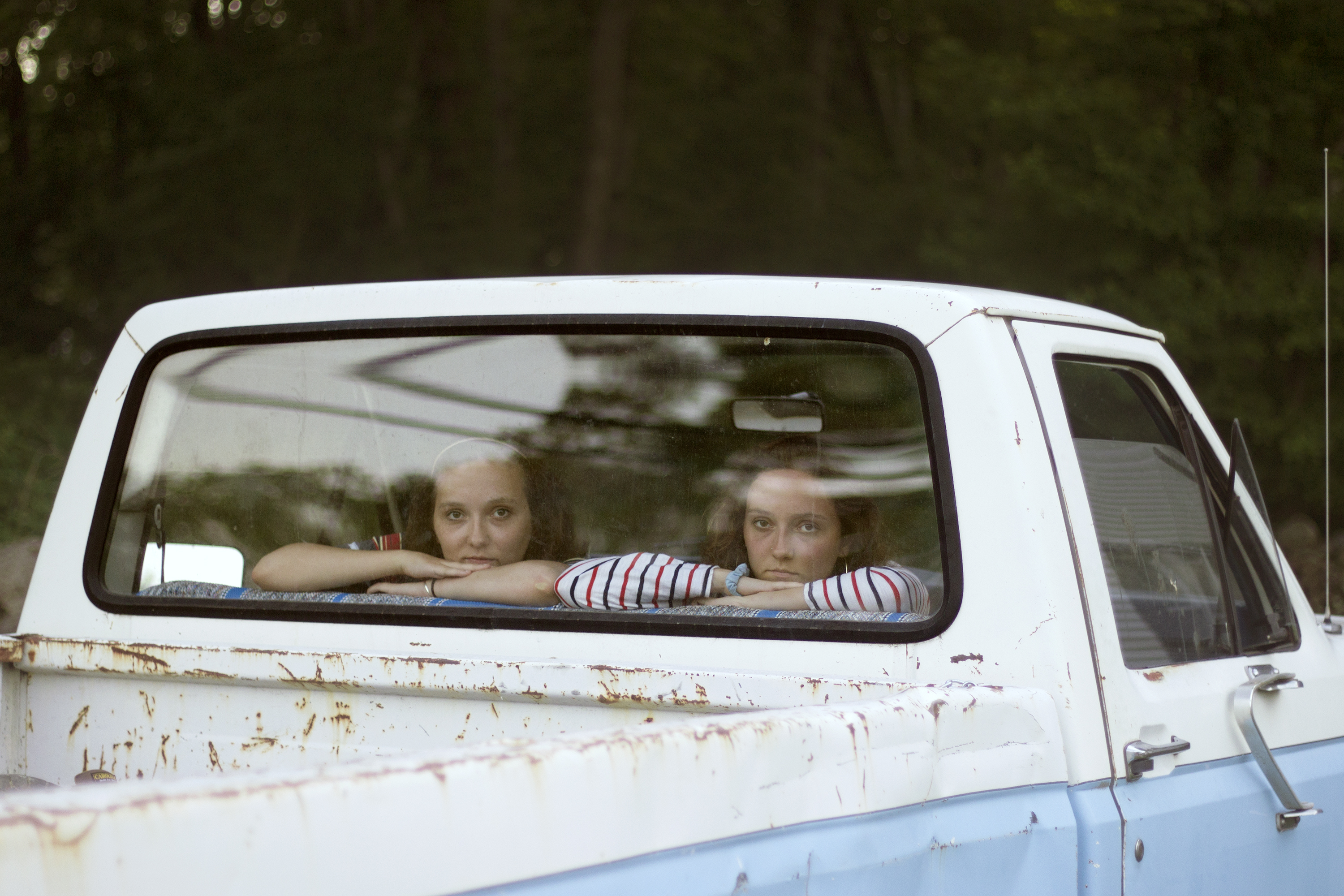
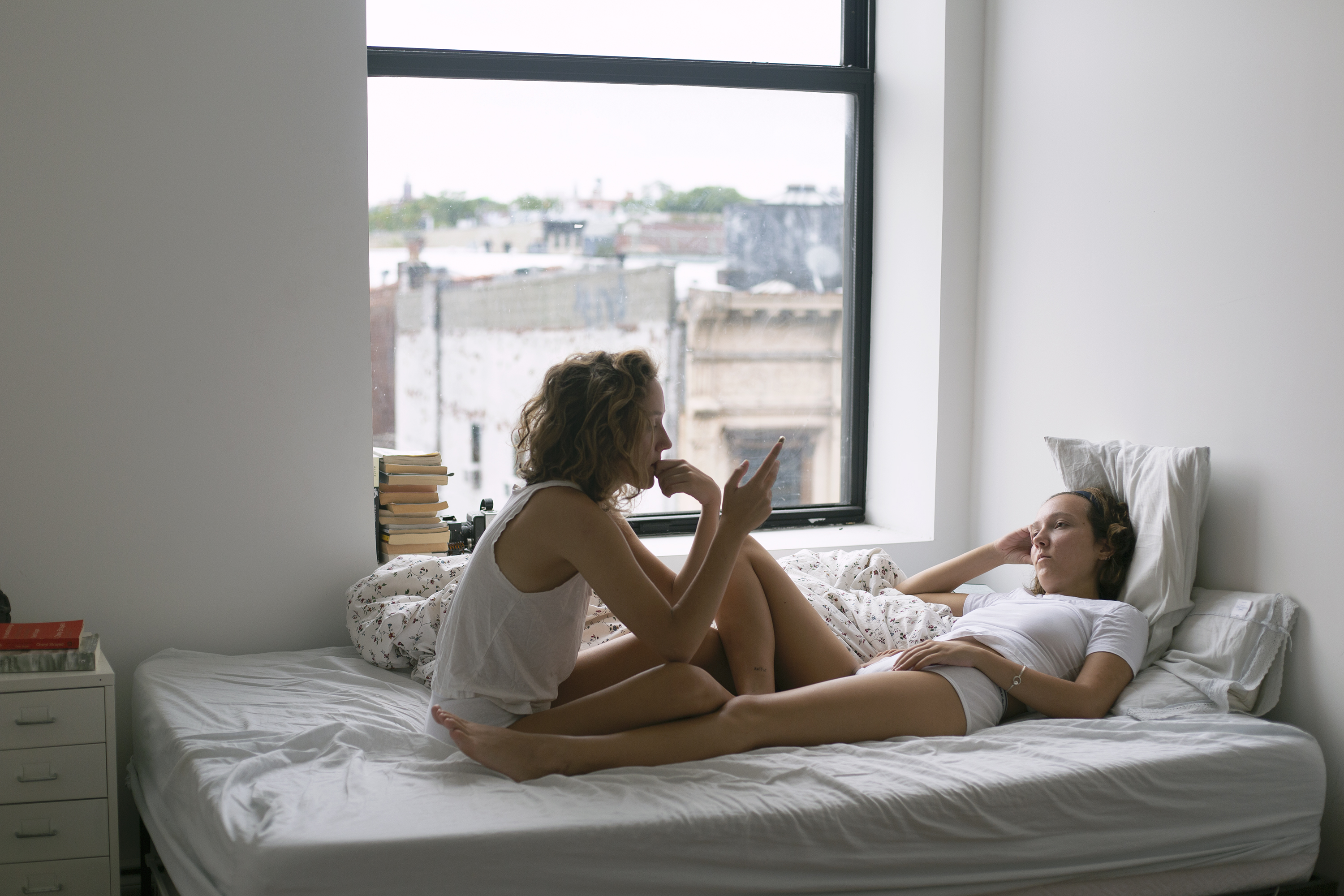
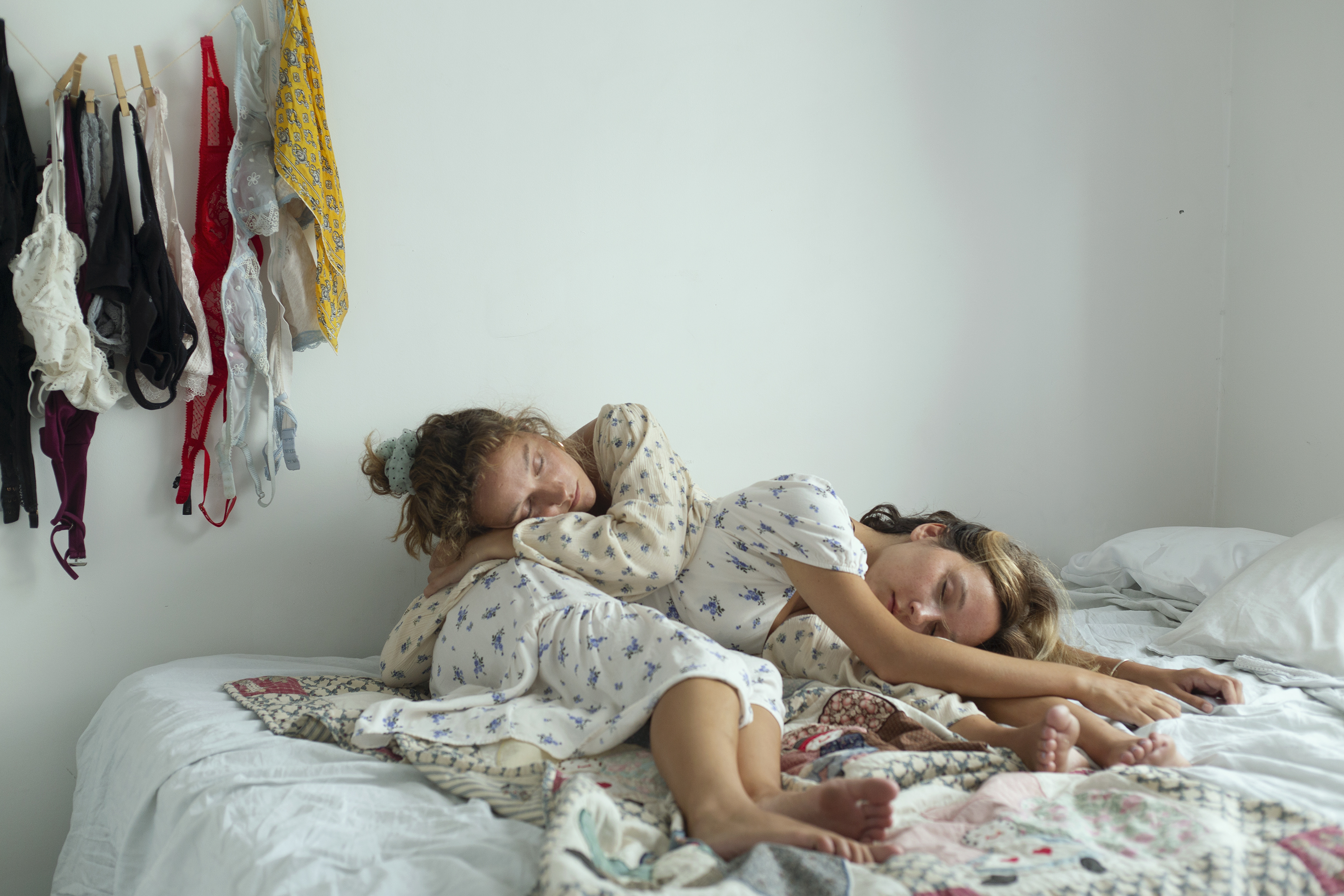
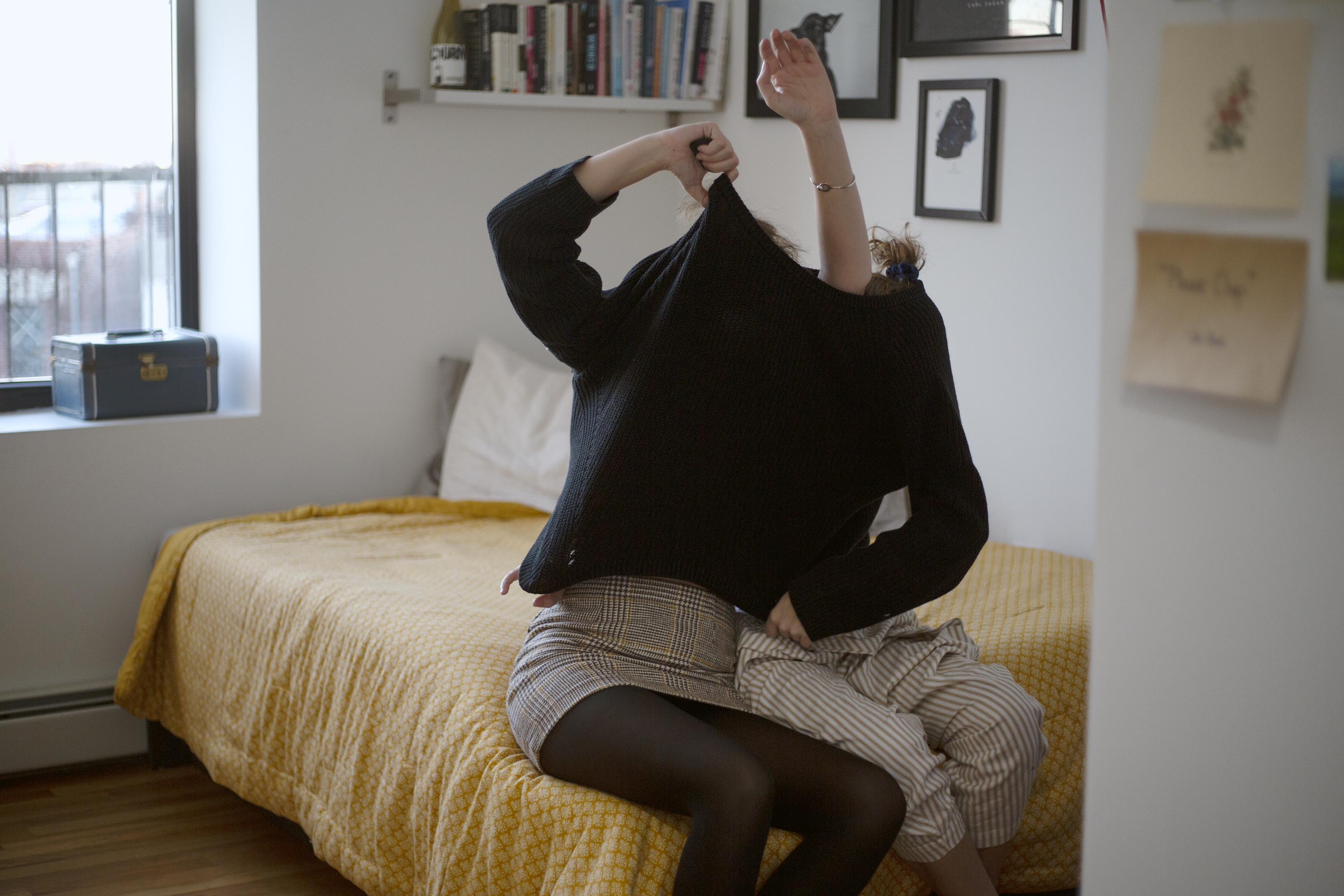
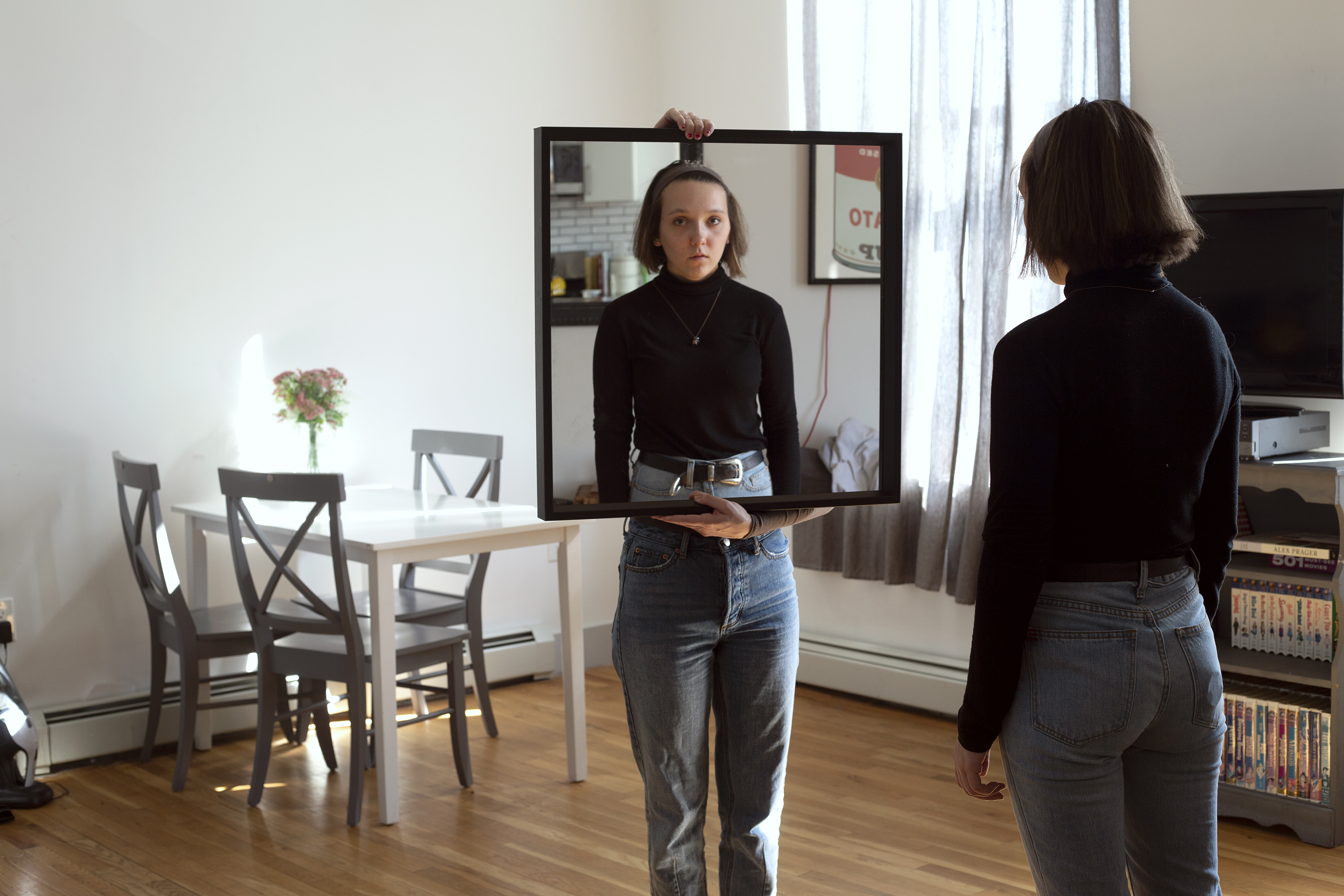
What led you to work on the series “The Twins” and show your relationship with your sister in a more stylized way?
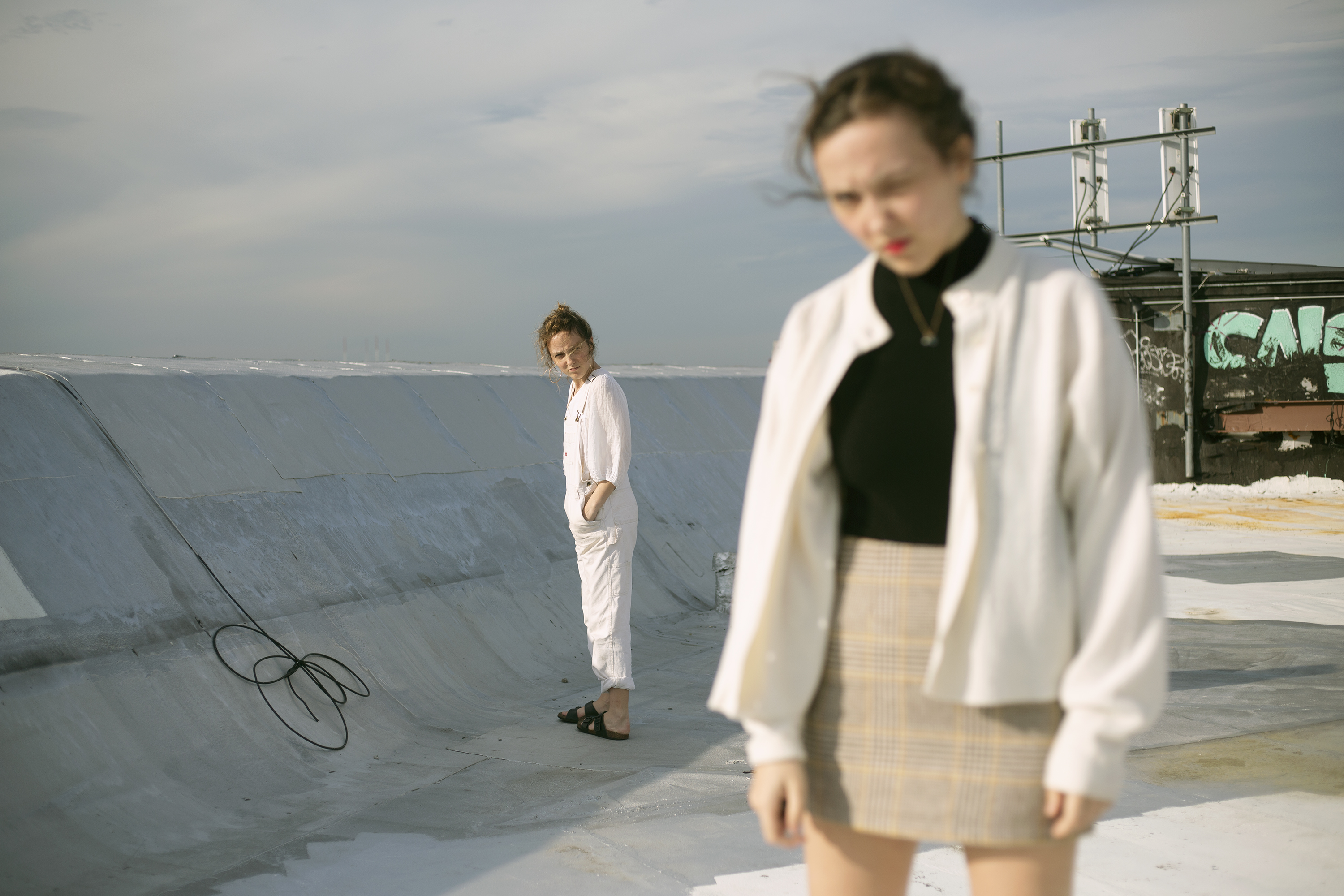
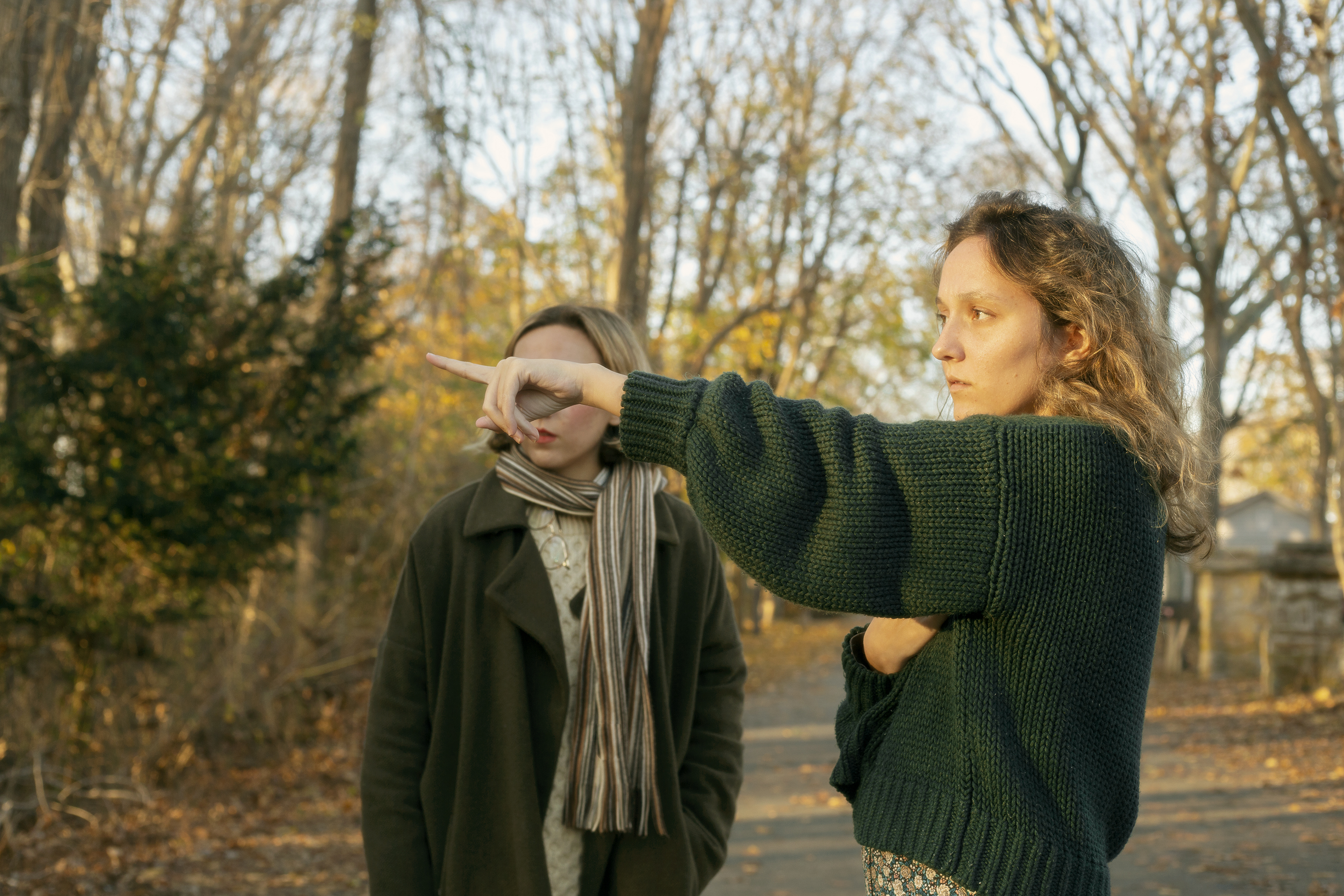
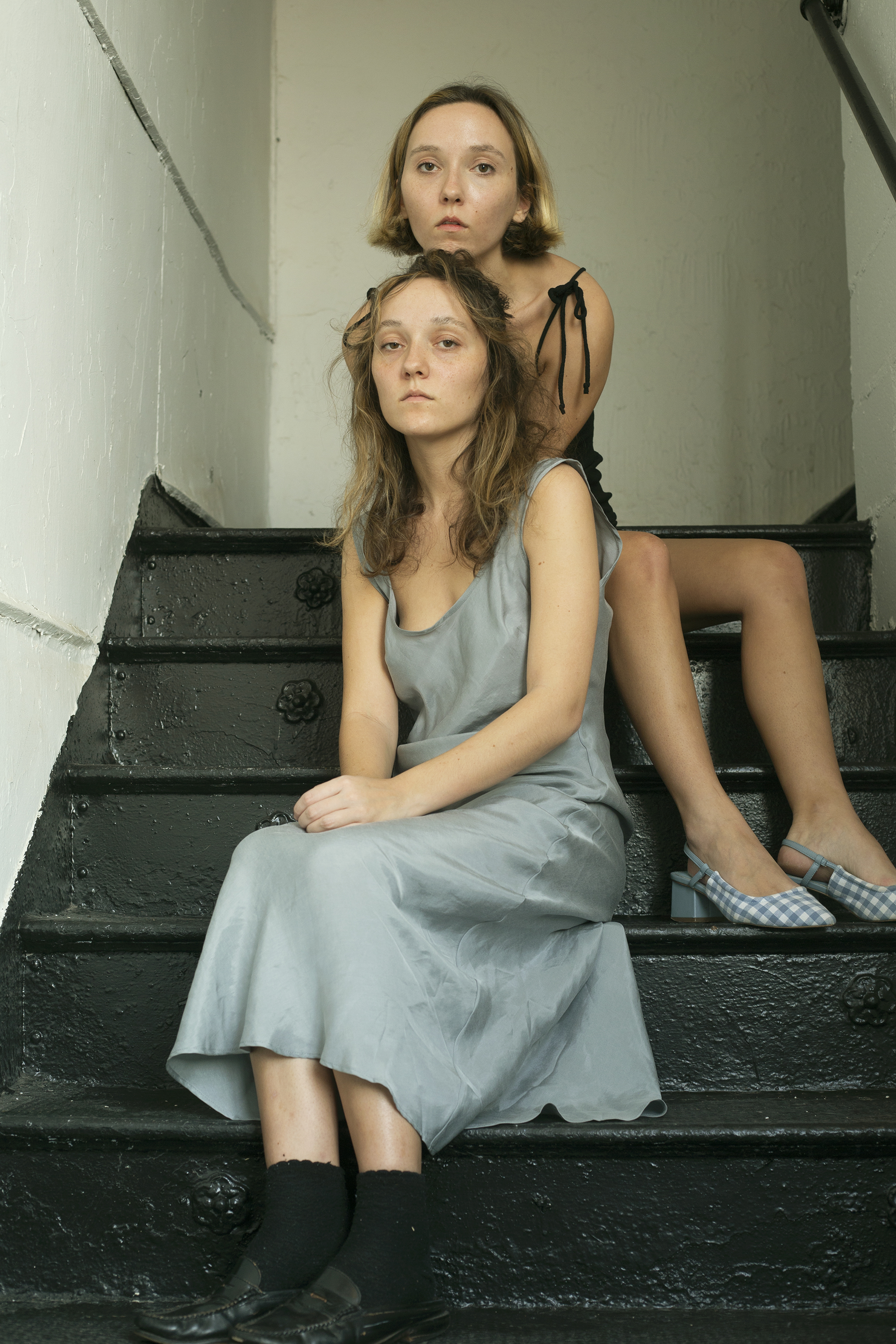
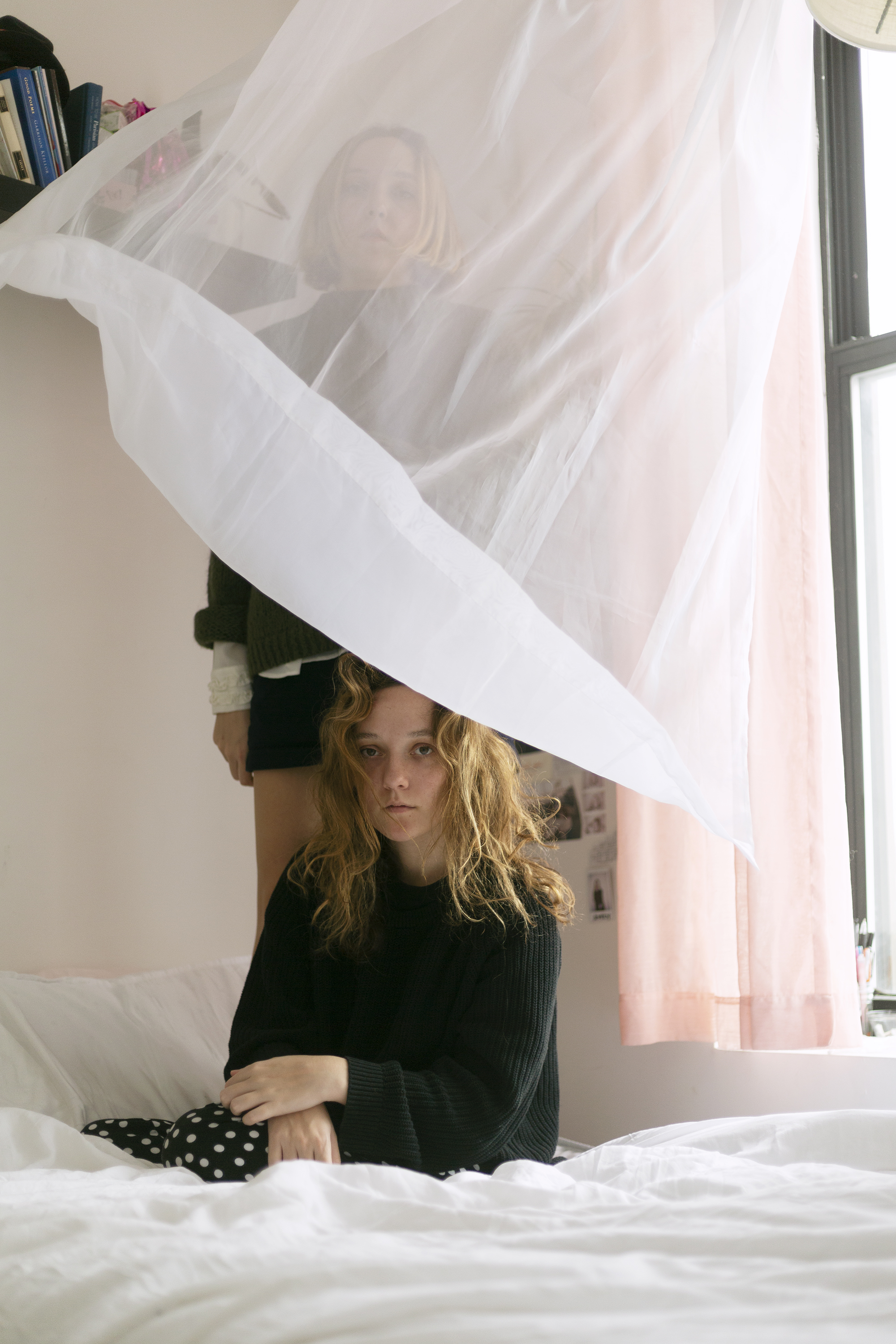
I went to the Fashion Institute of Technology, and I loved it. My professors were wonderfully supportive of this. So when I photographed my sister for an assignment, my professor at the time, Jessica Wynne, said there was something there worth exploring. I took her word for it. When I began, I wanted to think about what my life had always been. How my relationship with her formed my worldview. The project had always been quite stylized, but that felt like an intuitive choice. It is a show of polished memories, stylized to emphasize twinhood, sisterhood, memory, and our relationship. It didn’t feel enough to document; the layers help tell the story as it is.
As this is a long-term project, are there certain milestones or moments you already know you want to capture for the series?
I think the traditional milestones don’t particularly inspire me yet because they haven’t happened. Marriage, kids, etc. But I think about how those milestones become something we cannot experience together in the same way. If I become a mom, she becomes an aunt. Suddenly, we’re not on the same path. Suddenly, there is a difference between our stories, which share overlapping themes but remain inherently separate. There is a sense that the project then becomes less about how we are our own selves. It transitions to how our lives are still connected and the same despite these changes, if that makes sense.
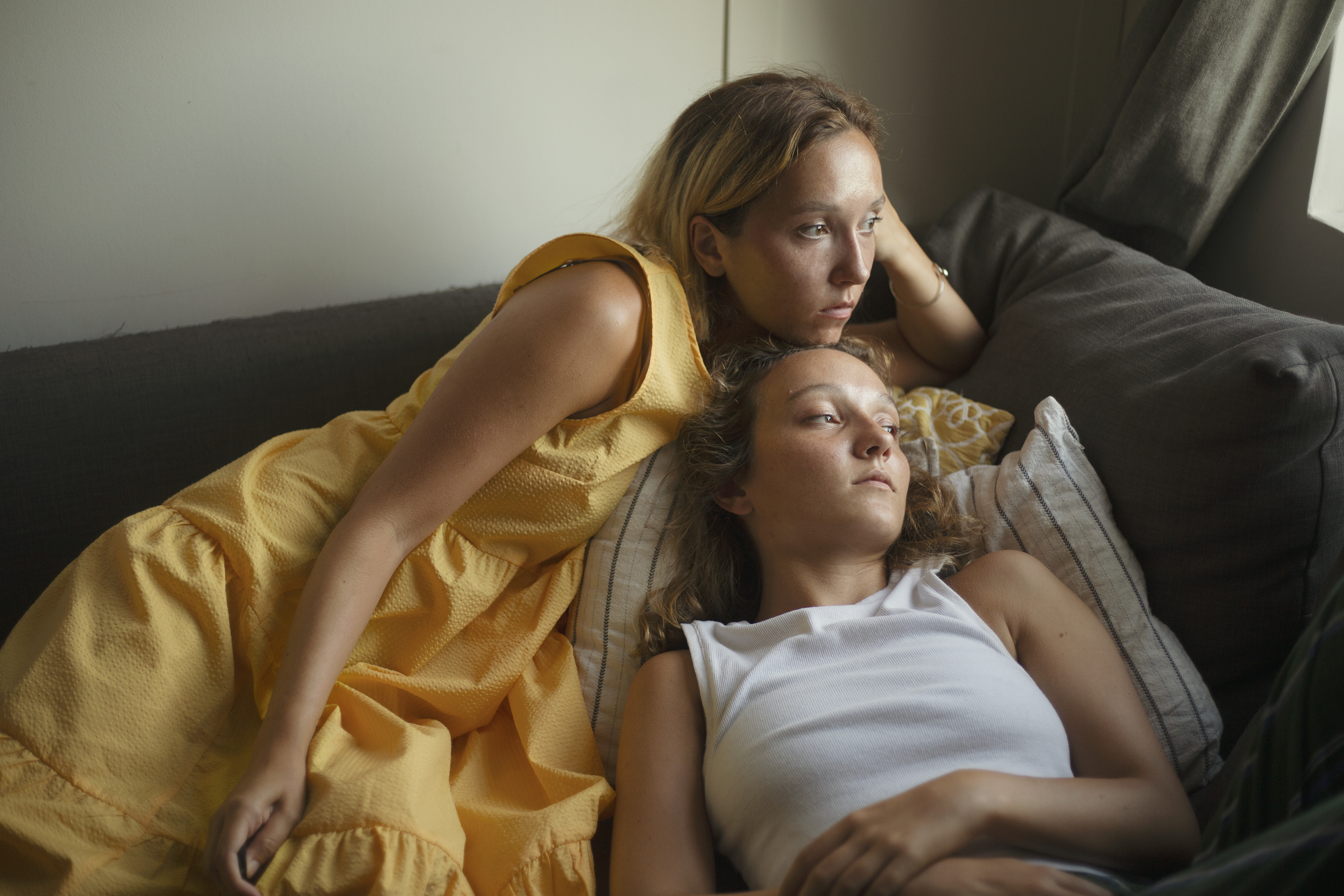
How do you go about planning the locations for each photo and, within that, deciding the position you and your sister will be in based on the environment?
Really, the location is about our shared space, or the spaces we are most comfortable. A theme that plays such a big part in the series is the idea of home. There is a sense that home is where my sister is. But home is also a very real place where we have shared memories. The beach, our hometown, our apartment. It can be a very obvious location; I try not to make things too complex. But then there are more abstract ideas, and I just go for the most logical execution to tell the story. For example, the image of us leaving the apartment, I really thought about how we are always going to the same places together, so how I can make a concept like that known. Well, us leaving out the front door is a great place to start.
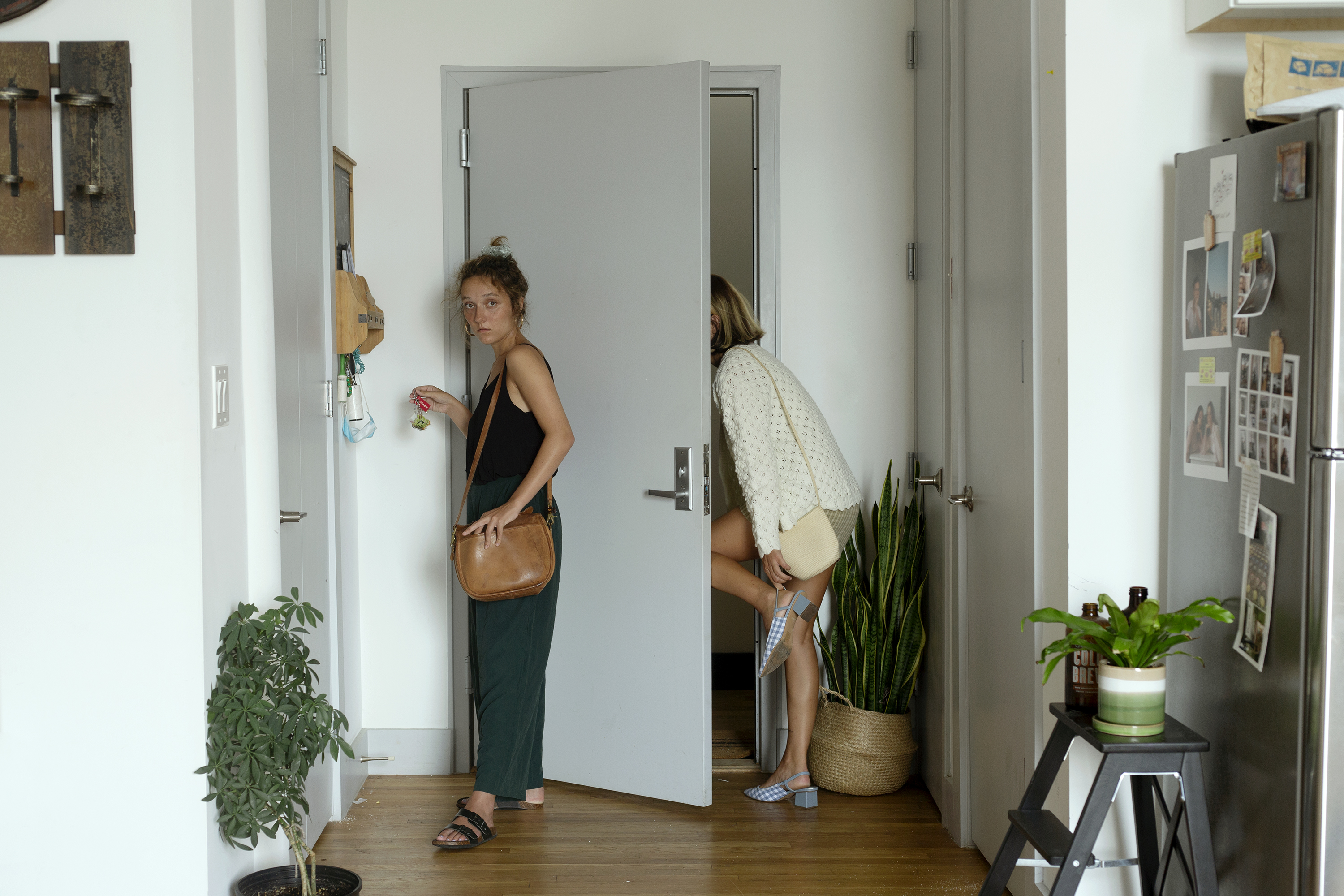
“The Twins” shines a light on you and your sister’s individuality, specifically through clothing. In life, is it important for the two of you to show how different you are, and was that something you wanted to ensure shone through in the work?
Now at 28, I am less concerned with proving that I am my own person because I feel it more surely. When you’re young, and the only life you’ve known is one of being ½ of someone else, you feel a sense of desperation to be seen as an individual. I love being like Chloe; I love what makes us twins. Though I think I spent a lot of time exploring that desperation. In most cases, I would dress us similarly in color palette, but I would make sure I was wearing my clothes, and she was wearing hers. This is who I am, this is who she is. I would do my best to use natural forms of expression to highlight our uniqueness, because that was, at times, the only way we could be different.
Are there photographers you look to often for inspiration?
Stephen Shore is a huge inspiration for me; I cycle between photographers based on my era of life. I also love Linda McCartney because she photographed her family so often. Most times, my influences get all muddled together.
What advice do you have for aspiring photographers?
Make the bad work. So much of my early photography, I was so hyper-aware of how terrible it was. It was painful to create the bad images, but it paved the way for good ones. Many of my most successful images came from exploring and reshooting the bad ones. I know, keep going is such a cliché piece of advice. But bad work is not the end of the world; no one expects attempt one to be a masterpiece! Let it become the thing it is destined to be instead of quitting before it’s even had a chance. Less-than-ideal images are not an indication of a bad photographer, bad project, or bad idea. It’s just the natural order. Like anything, the more you explore, the better it becomes.
Find more from the series below: